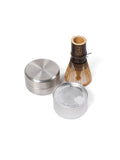
A matcha bowl needs enough usable width for the Whisk to move in a W motion, with walls high enough to contain the liquid. Judge the inside base and the space around the Whisk, not the outside diameter alone. A broad opening does not help if the bowl narrows sharply where the bamboo prongs move.
- A matcha bowl needs usable space at the base, not just a wide rim.
- Uchi Bowl has a wide base for W motion and high walls to contain matcha.
- Check the Whisk’s clearance inside the bowl before choosing by outside dimensions.
- Storage protects the powder before preparation; bowl shape determines the room available for whisking.
Why this matters
Air and light affect matcha before it reaches the bowl. Keep the powder closed between preparations, then turn attention to the space where powder and water meet. Storage and preparation solve different problems.
The bowl cannot restore freshness lost during storage. It can give the Whisk room to move without repeatedly striking the sides. That distinction keeps the choice practical: protect the powder first, then choose a vessel that accommodates the movement.
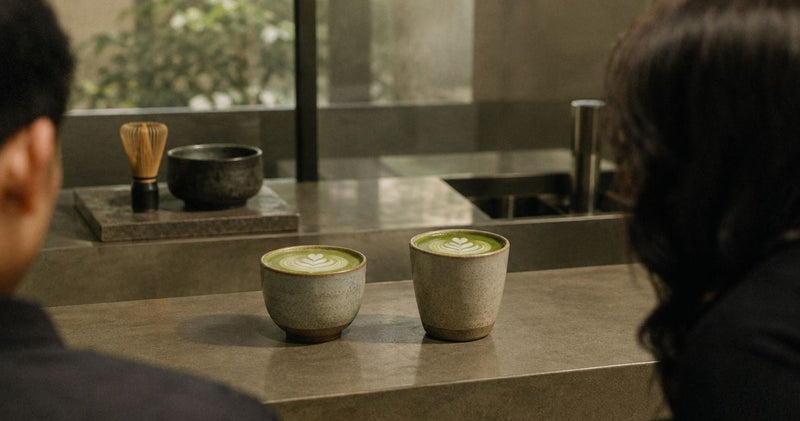
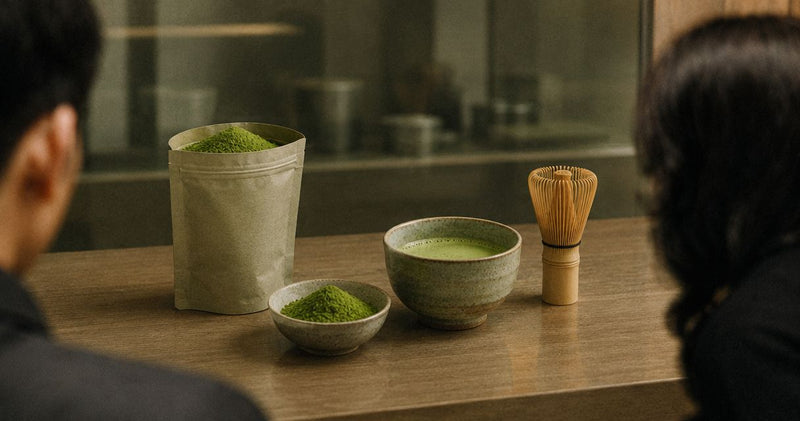
The Bowl has a wide base for the Whisk’s W motion and high walls to keep the matcha inside during aeration. Uchi Matcha suits home drinkers who want a Bowl built around room for the Whisk. Its shape addresses preparation; it does not replace careful storage or technique.
For a matcha bowl purchase in 2026, look past the silhouette. The useful dimensions are inside the vessel, where the Whisk actually works.
There is no useful dimension in isolation. Width, depth and the curve between the base and walls work together. A bowl that looks generous from above can still restrict movement near the bottom.
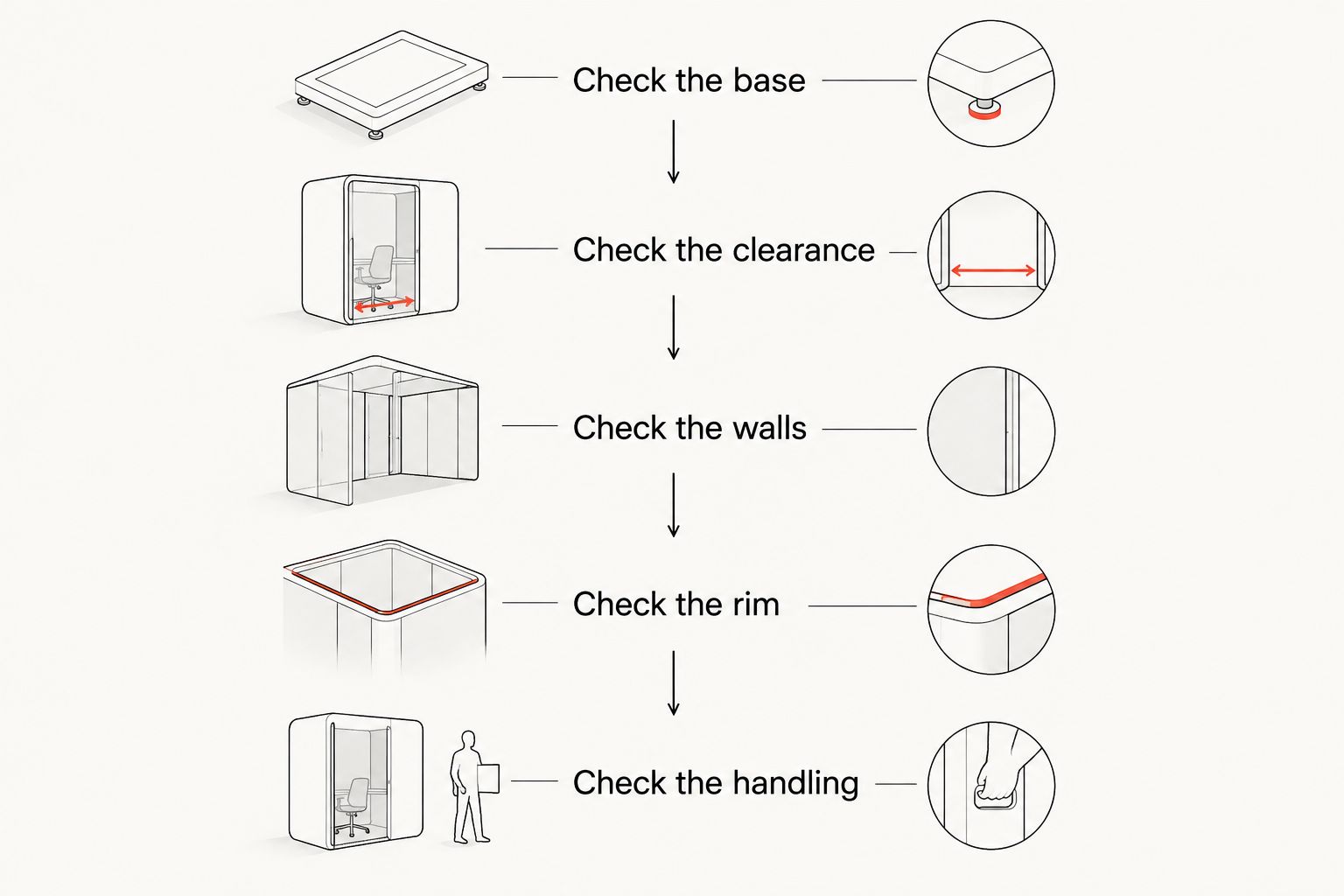
Use this sequence when examining a bowl in person or reading a product description.
- Check the base. Look at the usable interior floor, not the footprint underneath the bowl. The Whisk needs room to move across this area rather than remaining confined to a small central pocket.
- Check the clearance. Consider the bamboo head inside the vessel. There should be space for the movement without forcing the prongs against the walls on every stroke.
- Check the walls. Follow the interior curve upwards. Abrupt narrowing restricts movement; very shallow walls leave less room to contain splashes.
- Check the rim. Make sure the opening allows the handle to move freely. A wide base is less useful if the upper walls interfere with the whisking angle.
- Check the handling. Hold the empty bowl as it would be held during preparation. The outside shape must feel manageable as well as provide room inside.
These checks are more informative than choosing the largest bowl listed. Extra size does not automatically improve the movement, and outside measurements do not describe the whole interior.
A useful 2026 buying note records what the measurements describe. Rim diameter, interior base width and overall height are not interchangeable. Compare like with like rather than treating every width figure as the same measurement.
The base: usable width rather than outside diameter
The interior base is the working area. Its width determines how much lateral movement is available near the bottom of the bowl. The outside base also includes the vessel’s material and any foot, neither of which adds whisking room.
Look for a photograph showing the bowl from above and another showing its interior profile. The first reveals the opening; the second helps explain how quickly the sides narrow. Neither view alone tells the whole story.
A broad base provides space, but space is not a reason to press the Whisk harder. Keep the movement light. Repeatedly scraping the bottom or striking the walls puts unnecessary force on the bamboo.
Choose usable clearance, not size for its own sake. A bowl can be visually large yet leave a confined working area. A more restrained shape can provide useful room if its interior remains open near the base.
The walls: containment without restricting movement
Wall height matters because whisking moves liquid as well as bamboo. Higher walls give the liquid more space below the rim. That is useful only when the handle and prongs still have room to move.
Depth alone is not enough. A tall vessel with a narrow interior can contain liquid while making the W motion awkward. A shallow vessel can offer plenty of width but demand more care around splashes.
Check the transition between base and wall. The curve should be considered as part of the working space, not as a decorative detail. Notice where the Whisk would meet the sides during a normal movement.
Leave room above the liquid rather than filling towards the rim. A bowl intended for preparation does not need to be filled like a drinking vessel. Containment depends on both the shape and how it is used.
Bowl shapes compared
Different shapes make different compromises. This comparison concerns geometry, not a ranking of materials or styles. The labels describe who each shape suits, provided the actual interior accommodates the Whisk.
| Shape | Suited to | Trade-off |
|---|---|---|
| Broad base, high walls | Whisking with containment | Check rim and handle clearance |
| Broad base, shallow walls | Open access | Less room above the liquid |
| Narrow base, deep walls | Containing liquid | Restricted lateral movement |
The broad-base, high-wall shape directly addresses room and containment. It still needs to feel manageable in the hand. A vessel that is uncomfortable to steady is not made practical by its dimensions alone.
The shallow shape offers open access but requires attention to the liquid level. The deep, narrow shape contains liquid but can confine the bamboo head. Neither feature should be judged without the other.
For a 2026 comparison, keep the measurements beside the interior photographs. A single outside diameter cannot resolve these trade-offs.
Why whisking room varies
The same nominal bowl width can produce a different working space. Focus on the features that change the relationship between vessel and Whisk.
- Interior base width. This is the area available for lateral movement near the bottom.
- Wall taper. Inward-sloping sides reduce space as the Whisk moves towards them.
- Wall height. Height creates room above the liquid, but must be considered alongside width.
- Rim opening. The opening affects access and the freedom of the handle to move.
- Whisk shape. Assess the actual bamboo head, rather than assuming every chasen occupies identical space.
- Liquid level. More liquid leaves less empty space below the rim, regardless of the vessel’s dimensions.
These factors explain why a measurement is a starting point rather than a verdict. The practical question is whether the vessel accommodates the movement being made inside it.
The Whisk: check the tool as well as the bowl
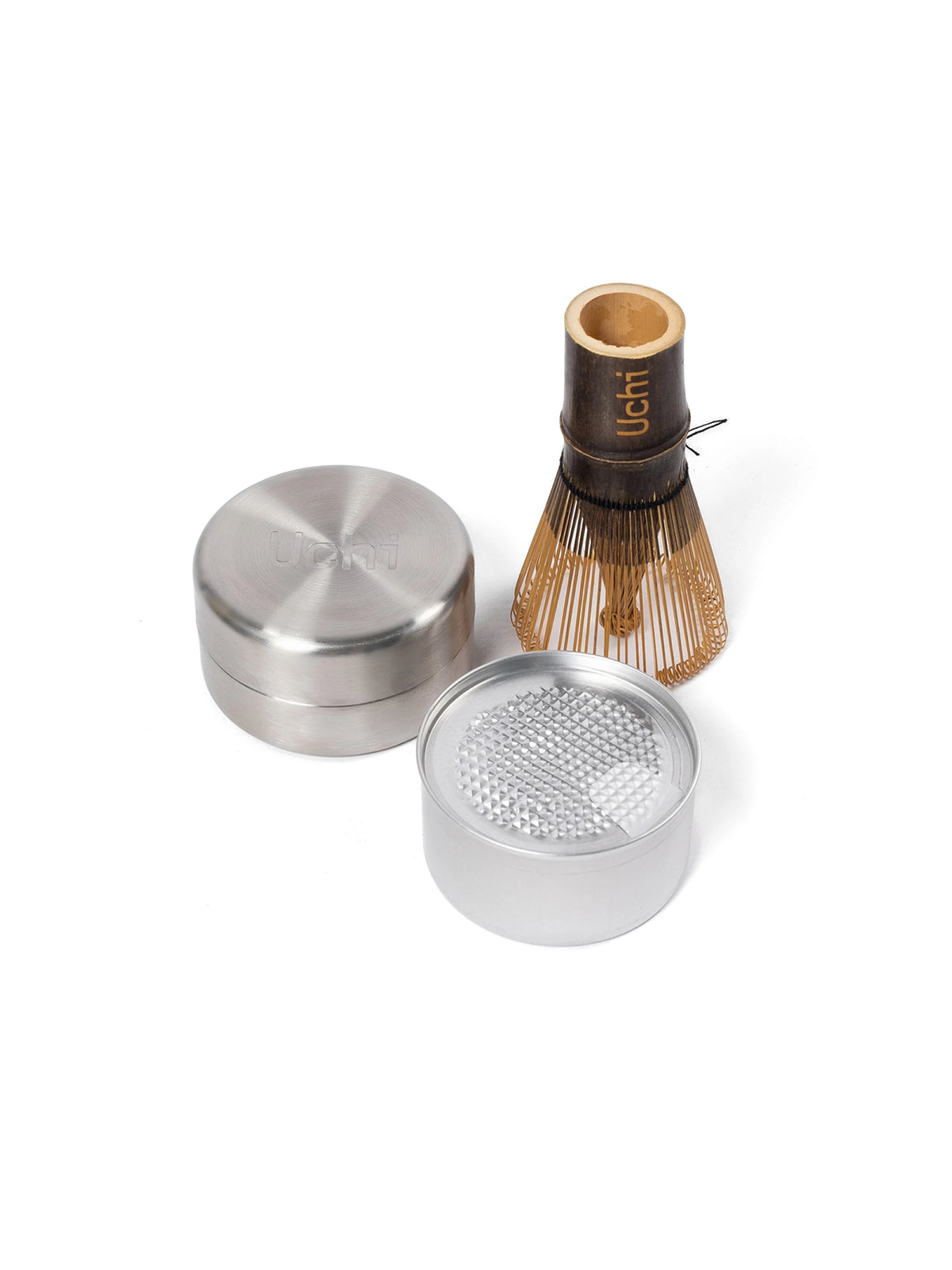
The Uchi Whisk is a bamboo chasen with 120 prongs. That describes the tool’s construction, not a required bowl diameter. Prong count should not be converted into a size rule.
Consider the head and handle together. The head needs lateral room inside the bowl, while the handle needs freedom above the opening. Checking only one leaves part of the movement unexamined.
Use a light W motion rather than treating the Whisk as a spoon for circular stirring. The movement should take place within the available space. If each stroke ends against a wall, reduce the movement and reassess the vessel’s interior.
A larger bowl does not correct forceful technique. Equally, careful technique does not create room in a narrow base. Tool, vessel and movement belong in the same assessment.
Preparation: give the powder attention before whisking
Bowl dimensions matter, but they are only part of preparation. Powder that has clumped needs attention before vigorous movement begins. Sifting separates clumps before water is added; it does not change the bowl’s usable width.
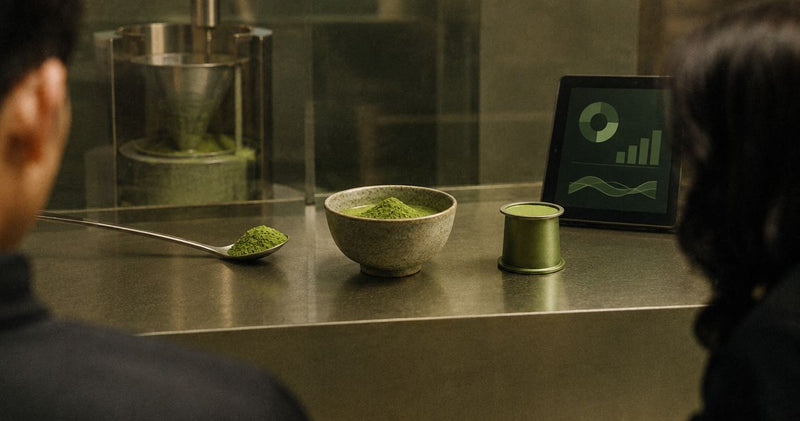
One leveled Uchi Spoon holds 1 gram. This provides a stated measure for the powder, not a bowl-size formula. Do not infer a required diameter from the amount held by a scoop.
The Pod contains 40g of matcha, about twenty cups, in recyclable aluminium. Those figures describe the product and its stated serving quantity. They do not establish the capacity that a preparation bowl needs.
Keep these quantities separate from vessel measurements. Powder mass, serving count and bowl capacity describe different things. A clear 2026 product comparison should preserve that distinction rather than combine them into an unsupported sizing rule.
After measuring the powder, close its storage container. Leave the bowl ready for preparation, not the matcha exposed beside it. The useful habit is simple: open, measure, close.
A matcha bowl and a drinking vessel serve different tasks
A drinking vessel is shaped around holding and drinking the finished beverage. A preparation bowl must also accommodate the Whisk. The same vessel can serve both purposes, but it needs to support both actions.
Check the space where the prongs move before judging how comfortable the rim feels for drinking. Then check the rim itself. One practical feature does not guarantee the other.
There is no need to choose an oversized vessel solely because it is described as a chawan. That name identifies a tea bowl; it does not supply a universal internal measurement. Examine the object rather than relying on the category name.
A preparation bowl should be assessed with the Whisk in mind. Capacity alone answers how much a vessel holds, not how freely the tool moves inside it.
Assessing a bowl already at home
An existing bowl can be assessed using the same checks. Start with it empty and look at the interior base, the taper and the opening. Avoid assuming that a broad rim means a broad working area.
Place the dry Whisk inside without forcing its prongs against the surface. Check the available space gently. This is an inspection of clearance, not a reason to scrape bamboo across the bowl.
Then consider handling and containment. The vessel should be easy to steady, with room above the intended liquid level. A bowl that meets one requirement but fails another still involves a compromise.
For a home assessment in 2026, the useful result is a clear description: enough room at the base, manageable walls and an accessible opening. That is more informative than declaring an ordinary bowl suitable on appearance alone.
FAQ
What dimensions should a matcha bowl have?
A matcha bowl should have enough usable interior width for the Whisk’s W motion and walls that contain the liquid. Assess the base, wall taper and rim together rather than choosing by outside diameter alone.
Is a wider matcha bowl always easier to use?
A wider matcha bowl is not automatically easier to use. A broad rim can conceal a narrow base, and the vessel still needs to be comfortable to steady.
Can I use a bowl I already own for matcha?
An existing bowl can serve for preparation if its interior gives the Whisk room to move and its walls contain the liquid. Check the actual clearance gently, without forcing the bamboo prongs against the surface.
Does a deeper matcha bowl prevent splashing?
A deeper matcha bowl provides more room above the liquid, but depth alone does not prevent splashing. Width, liquid level and whisking movement also matter.
How many prongs does the Uchi Whisk have?
The Uchi Whisk has 120 prongs and is a bamboo chasen. Prong count describes its construction; it does not establish a required matcha bowl diameter.
Does the amount of matcha determine bowl size?
The amount of matcha does not determine bowl size on its own. One leveled Uchi Spoon holds 1 gram, while the vessel also needs space for water, movement and containment.
Should I choose a matcha bowl by capacity or diameter?
Choose a matcha bowl by its usable interior shape, with capacity and diameter as supporting measurements. Capacity describes how much it holds; neither figure alone describes room for the Whisk.
One last thing
The dimension that matters can be the one missing from the headline description: the width near the interior base. Before choosing, look for a view that shows where the walls begin to rise.
Judge the bowl where the bamboo moves, not where the rim is widest. Then return the powder to closed storage. Room for the Whisk and protection from air and light are separate details, each with a clear purpose.