Choose a matcha bowl with a smooth interior glaze, a comfortable rim and clear confirmation that it is intended for food contact and warm drinks. A glossy surface is easy to inspect, but gloss alone does not establish safety. Keep air, light and moisture away from the powder between preparations; the bowl’s job is different: room to whisk, a pleasant drinking edge and a surface that cleans easily.
- Choose a matcha bowl by its interior surface and food-contact information, not glaze colour alone.
- Smooth glossy and smooth matte glazes both deserve consideration; rough interiors need closer inspection.
- Uchi Bowl suits home matcha drinkers who want a wide base and high walls.
- Keep matcha storage separate from preparation: close the powder before adding water to the bowl.
Why the surface matters
The inside of a bowl meets water, tea and the bamboo whisk every time it is used. Its surface matters more to daily preparation than the finish photographed on the outside.
A textured exterior can feel reassuring in the hand. That does not mean the same texture belongs beneath the whisk. Judge the interior, rim and exterior separately.
For a 2026 purchase, start with the maker’s intended use and care instructions. Then examine the form. The Bowl from Uchi has a wide base for the Whisk’s W motion and high walls to contain the matcha during whisking. Those are practical features, distinct from any assessment of its glaze.
Choose the interior first, then the appearance. A useful daily bowl has a continuous, comfortable surface without sharp projections where the whisk moves or the lips meet the rim.
Glaze names describe appearance imperfectly. A matte glaze can feel smooth. A glossy glaze can have raised decoration or an uneven surface. Neither label replaces inspection or food-contact information.
| Interior finish | Suitable use | Check before choosing |
|---|---|---|
| Smooth gloss | Easy visual inspection | Reflections can hide small defects in photographs |
| Smooth matte | A low-sheen surface | Confirm that the interior feels smooth |
| Deliberately textured | Tactile character | Check for roughness along the whisk’s path |
| Crackle glaze | A deliberately crazed appearance | Ask about food use, staining and care |
These are selection criteria, not safety ratings. Colour, sheen and a handmade description cannot establish whether a ceramic article is suitable for its intended use.
The useful distinction is between a finish that looks textured and a surface that actually interrupts preparation. Ask for an interior photograph and a clear view of the rim when buying online.
Smooth glossy glaze: straightforward inspection
A smooth glossy interior makes residue and changes in the surface relatively easy to see. After rinsing, inspect the base and the curve where the floor meets the wall. Those areas deserve attention because they are less visible from above.
Gloss has a limitation. Strong reflections in a product photograph can conceal detail. A bright highlight is not evidence that the underlying surface is even.
Choose this finish when easy visual inspection matters. Look beyond shine to the continuity of the glaze and the condition of the drinking edge.
Smooth matte glaze: touch matters more than the label
A matte glaze has a low-sheen appearance. It does not necessarily have a coarse texture. Some matte surfaces feel smooth; others have a noticeable drag.
Choose a smooth matte interior when the restrained appearance appeals and the maker confirms its intended use. Ask specifically about the inside rather than relying on a photograph of the exterior.
The trade-off is assessment at a distance. A photograph communicates sheen more readily than touch. If buying online in 2026, ask whether the glazed interior is smooth to the fingertip and how the maker recommends cleaning it.
Textured and crackle glazes: ask specific questions
Texture and crackle are not the same feature. Texture describes the feel or relief of a surface. Crackle describes a visible network of fine lines in the glaze.
A rough interior introduces another contact surface for the bamboo whisk. Examine raised decoration, pits and abrupt ridges along the bowl’s floor. A textured exterior with a smooth interior is a different proposition and should be assessed separately.
Deliberate crackle requires a different conversation. Ask whether the bowl is intended for repeated contact with warm drinks, whether staining is expected and what care the maker specifies. Do not treat a decorative glaze description as a food-use statement.
Do not assume a new crack is decorative crackle. If a line appears after use, extends through the ceramic body or accompanies a leak, stop using the bowl for drinks and seek advice from the maker.
What changes how a glaze behaves in daily use
The finish name is only part of the decision. Daily suitability depends on the whole object and how it is handled.
- Surface texture. Raised or rough areas change how the whisk meets the bowl. Examine the actual whisking area, not only the walls.
- Glaze condition. Chips, sharp edges and newly appearing cracks require attention. Appearance at purchase is not a permanent guarantee of condition.
- Food-contact suitability. Confirm that the finished article is intended for food and the temperatures involved. A material name alone is insufficient.
- Cleaning instructions. Dishwasher suitability and recommended cleaning methods belong to the particular bowl. Do not infer them from gloss or matte appearance.
- Temperature changes. Ceramic objects can be damaged by abrupt temperature changes. Follow the maker’s instructions for warming and washing.
For a 2026 purchase, keep the care instructions with the order information. They are more useful than a broad claim that a glaze is durable.
A bowl should not require guesses about routine use. If the description is unclear, a short question about warm drinks, cleaning and the interior surface is more useful than another styled photograph.
Inspecting the bowl before daily use
Inspect a new bowl clean and dry, in ordinary daylight. Check both its appearance and how it feels in the hand.
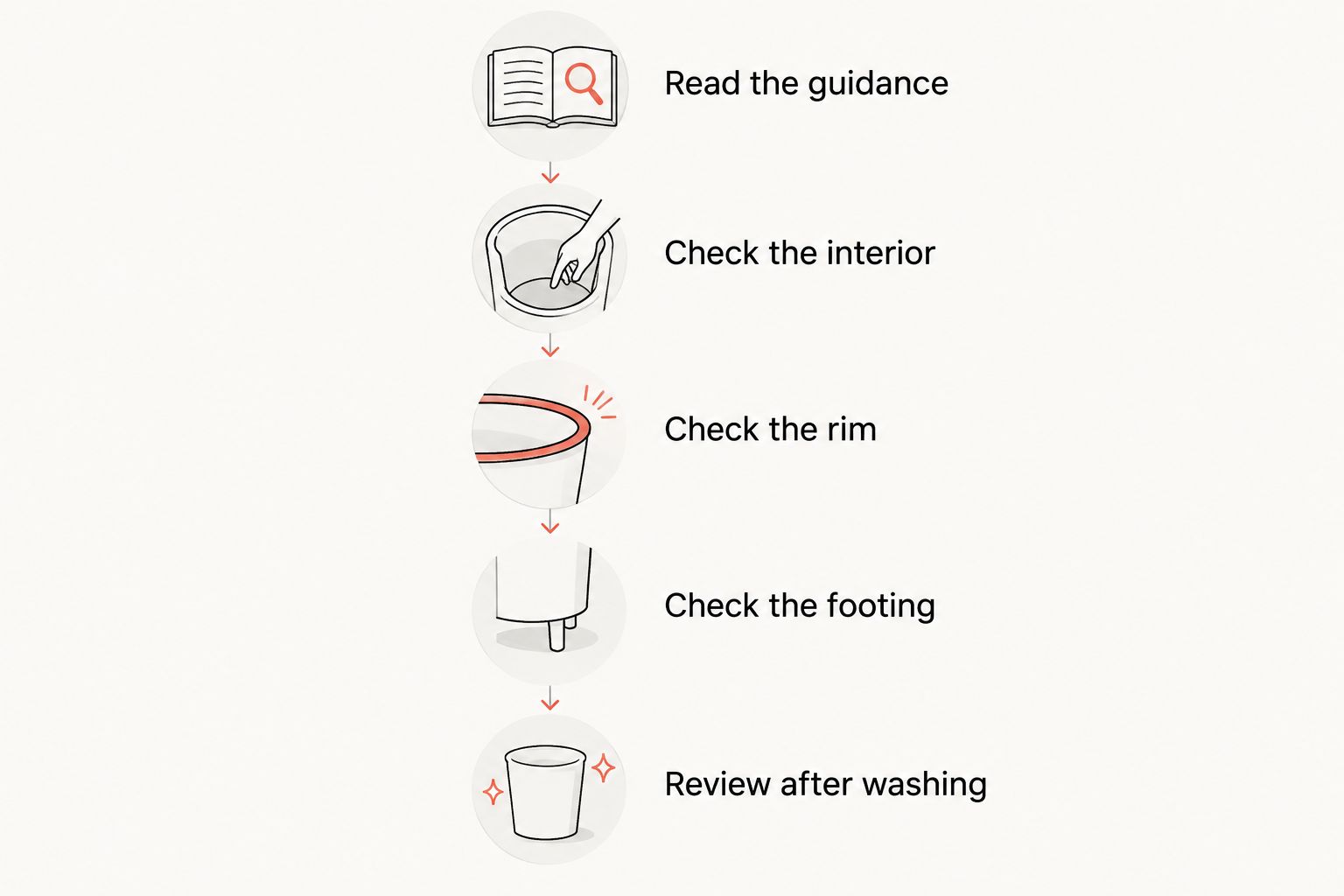
- Read the guidance. Confirm intended food use and the maker’s cleaning instructions before preparing tea.
- Check the interior. Look across the base and the curve into the walls. Check for chips, sharp projections and unexpected cracks.
- Check the rim. Run a clean finger gently around the drinking edge. It should feel comfortable, without sharp points.
- Check the footing. Place the bowl on a stable surface. Confirm that it sits securely before adding water.
- Review after washing. Inspect the clean surface again. Stop if damage appears or the bowl leaks.
This inspection does not establish chemical safety. That depends on the finished article meeting the requirements for its intended food contact. Home checks with household ingredients are not a substitute for appropriate testing.
Avoid harsh improvised tests. Scratching the glaze or applying an abrasive cleaner can damage the very surface being assessed.
Bowl shape still matters
A suitable glaze cannot compensate for a form that makes whisking awkward. The interior needs enough room for the whisk to move without repeatedly striking the walls.
Look at the usable floor rather than the widest point at the rim. A bowl can appear broad from above while narrowing sharply beneath the waterline. Interior curves also affect how easily the whisk reaches the mixture.
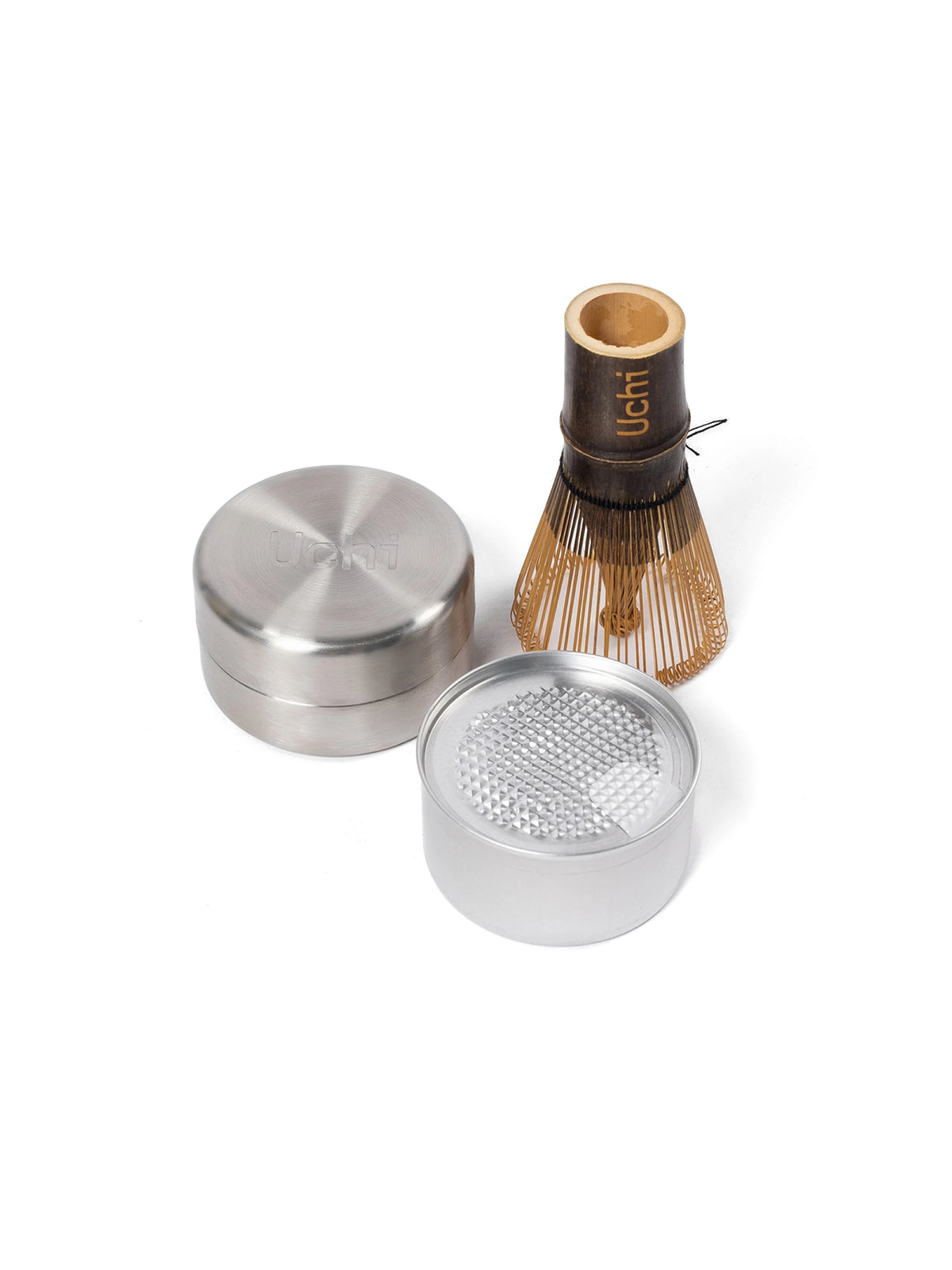
Uchi’s Whisk is a bamboo chasen with 120 prongs. The bowl should allow its movement without needing pressure against the ceramic. Whisking is movement through the liquid, not scraping the base.
The separate guide to matcha bowl dimensions and room for the whisk covers this part of the choice. Treat shape and glaze as complementary checks: one concerns working space, the other the surface within it.
A considered choice for home preparation
Uchi Bowl suits home matcha drinkers who want a wide base and high walls. The wide base accommodates the Whisk’s W motion. The high walls help contain the liquid during preparation.
Those features address movement and containment. They do not replace checking the current care guidance or deciding whether the bowl feels comfortable to hold and drink from. Shape is a reason to consider a bowl, not a reason to ignore its surface.
For Uchi matcha preparation, one level Spoon holds 1 gram. Measure the powder with dry equipment, then close its storage before working with water. The Pod contains 40g of matcha, about twenty cups; keeping moisture away matters across those repeated preparations.
This separation is simple. Powder stays dry and protected between uses. The bowl receives the measured portion and water. A beautiful glaze has no role in protecting the powder left in storage.
Caring for the interior after whisking
Follow the maker’s instructions for washing. Remove tea residue after preparation rather than allowing it to dry into a film, and avoid abrasive tools unless the maker expressly permits them.
Rinse cleaning products away thoroughly. Let the bowl dry before putting it into an enclosed cupboard. Inspect the rim and interior as part of that ordinary routine.
Do not infer dishwasher or microwave suitability from a ceramic appearance. These permissions belong to the finished object, including any decoration, not to the word ceramic.
A useful care habit in 2026 is to notice change rather than chase an untouched appearance. Distinguish removable tea residue from damage. If a mark remains after the recommended cleaning method, ask the maker before escalating to a stronger treatment.
Colour and the view of the tea
A pale interior makes the contrast with green matcha easy to see. A dark interior presents a different visual contrast. Neither colour proves freshness, food safety or glaze quality.
Choose colour for the experience of preparing and drinking. Assess the tea separately through its aroma, taste and handling history. Lighting also changes how green appears in a photograph or on a kitchen counter.
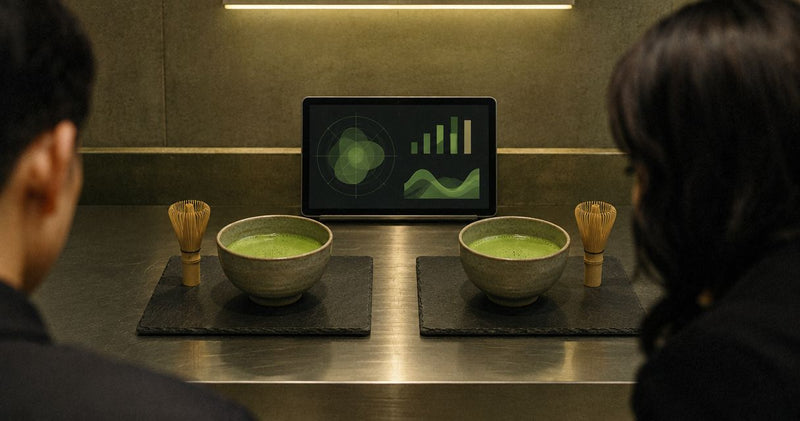
For a 2026 online purchase, look for photographs that show the empty interior as well as the filled bowl. Tea can conceal the base, and dramatic lighting can conceal the glaze. A plain view is useful evidence of form, though not proof of food-contact suitability.
FAQ
What glaze should I choose for a daily matcha bowl?
Choose a smooth interior glaze on a bowl intended for food contact and warm drinks. Check the rim, whisking area and care instructions rather than choosing by sheen alone.
Is a glossy matcha bowl better than a matte one?
A glossy matcha bowl is not automatically better than a matte one. Smoothness, condition and intended use matter more than whether the surface reflects light.
Can I use a crackle-glazed bowl for matcha?
Use a crackle-glazed bowl for matcha only when the maker confirms that it is suitable for that use. Ask about care and expected staining, and do not assume a newly appearing crack is decorative.
Will a rough bowl damage my bamboo whisk?
A rough interior creates abrasive contact with a bamboo whisk. Choose a smooth whisking area and avoid pressing or scraping the whisk against the ceramic.
Can I put my matcha bowl in the dishwasher?
Put a matcha bowl in the dishwasher only if its maker says it is dishwasher-safe. A glossy finish or ceramic body does not establish that permission.
Does a green glaze make matcha look fresher?
A green glaze does not establish matcha freshness. Bowl colour and lighting affect appearance; assess the tea through its aroma, taste and storage history.
Should I keep using a chipped matcha bowl?
Stop using a chipped matcha bowl for drinks, particularly when damage affects the rim or interior. Ask the maker about the damage rather than smoothing it yourself or covering it with an improvised repair.
One last thing
Inspect the bowl empty. Filled product photographs show atmosphere, but they hide the part where the whisk works.
An unobstructed view of the interior, a comfortable rim and clear care instructions tell more about daily use than a glaze name. Start there. Choose the colour afterwards.