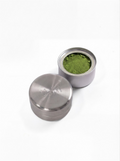
Uji is the home of Horii Shichimeien, the producer of Uchi’s matcha. The house was founded in 1879. Its location and the growing regions of its tea are separate facts.
A named house, growing regions and blend composition give the tea a documented identity.
Where matcha comes from
A location on a label needs context. Distinguish the tea house’s address from the growing regions of the leaves.
Kaze no Shiro is a first-flush blend composed by Horii Shichimeien’s house tea master, drawing first-harvest tencha from Kyoto, Nara and Shiga and weaving Okumidori, Yabukita and Sayamakaori.
What is Uji matcha
A tea house based in Uji can compose a blend using leaves from several regions. Uchi’s Kaze no Shiro is not single origin, single estate or single cultivar.
Kaze no Shiro is shaded for 25 days before harvest and stone-milled at 40 grams an hour. These describe production, not a guarantee of the flavour of every preparation.
Uji matcha versus regular matcha
Origin alone does not establish quality. Compare the producer, harvest, composition and storage information rather than treating a place name as a ranking.
A blend can have documented provenance. Naming its growing regions and cultivars provides information that a broad origin description alone does not.
Read origin alongside harvest, blend and storage details. The matcha for beginners guide covers preparation at home.
Why origin is worth caring about
A named producer and growing regions identify the tea. They do not replace tasting it or protecting the powder after opening.
Keep matcha closed, dry and away from direct light and heat. Production details and storage care have separate roles.
A name worth knowing
In Uji, blending is how a house builds a flavour of its own and holds it steady, season after season. Kaze no Shiro is that kind of composition.
Horii Shichimeien gives Kaze no Shiro a documented identity: a named house, three growing regions and three cultivars.