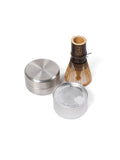
A matcha subscription should follow the amount you drink, not an arbitrary monthly date. For a daily 2g bowl, a 40g Pod represents 20 days of matcha; lighter portions and shared households need different delivery rhythms.
- Uchi suits home matcha drinkers who want a refillable storage format and a subscription paced to consumption.
- A matcha subscription needs portion-based planning: a 40g Pod makes twenty 2g bowls.
- Daily 1g portions stretch a Pod to 40 days; two daily 2g bowls use it in 10 days.
- Treat the intervals below as consumption calculations, not advertised subscription options or delivery guarantees.
Why delivery frequency matters
Air and light affect matcha after opening. An airtight, opaque container limits exposure between bowls; a delivery schedule addresses a different problem. It keeps new matcha from accumulating before the previous Pod is finished.
These decisions belong together. Ordering more often does not protect an open container, and careful storage does not prevent a recurring order from getting ahead of consumption.
For a matcha subscription in 2026, start with the portion actually used at home. Then compare the resulting finish date with the delivery intervals offered when ordering. Consumption time and shipping time are separate measurements.
Uchi suits home matcha drinkers who want a refillable storage format and a subscription paced to consumption. The useful comparison is between household routines, rather than invented subscription tiers.
What makes a suitable matcha subscription
A clear subscription decision rests on five criteria:
- Portion size. Count grams per bowl, rather than assuming every cup contains the same amount.
- Household use. Include every person drinking from the same Pod.
- Actual frequency. Separate daily preparation from weekends or occasional bowls.
- Storage. Limit air, light and moisture after opening.
- Order controls. Read the current delivery, payment and change terms before committing.
The calculations in this 2026 guide use a 40g Pod. They assume the stated portion is measured consistently and all the powder is used. They are planning examples, not shelf-life recommendations.
Delivery frequency at a glance
The order below starts with a daily 2g bowl, then separates shared use, lighter portions and occasional preparation. Each routine has a different reason for choosing its interval.
| Routine | Matcha used | Pod lasts |
|---|---|---|
| Daily bowl | 2g daily | 20 days |
| Shared mornings | Two 2g bowls daily | 10 days |
| Lighter portion | 1g daily | 40 days |
| Occasional bowl | Two 2g bowls weekly | 10 weeks |
These are finish times. They are not instructions to place an order on the day the Pod becomes empty. Account for the delivery terms shown at checkout, and distinguish dispatch dates from arrival dates.
A calendar month is not interchangeable with 20 days. Nor does a recurring delivery mean the contents must last until the next calendar month. Grams make the comparison clearer than the word monthly.
1. A 20-day rhythm: for a daily 2g bowl
A 40g Pod contains twenty 2g portions. One bowl each day therefore gives a calculated finish time of 20 days. This is the starting point for someone whose matcha preparation is already daily and consistent.
Suited to: One person making a measured 2g bowl every day.
Daily bowl advantages
- The calculation follows a repeatable daily habit.
- A measured portion makes the finish date easier to track.
- Each delivery can be compared against the remaining powder.
Daily bowl limitations
- Missed mornings extend the finish date.
- Larger portions bring the finish date forward.
- A 20-day consumption period does not establish a delivery promise.
For 2026 planning, record when the Pod is opened and when it is finished. Compare that observation with the twenty-bowl calculation before treating the rhythm as settled.
Do not change the drink merely to fit an order schedule. If the preferred bowl uses a different amount of matcha, adjust the calculation instead. The recurring order should follow the preparation.
Verdict: Choose a 20-day planning rhythm for one consistent daily 2g bowl.
2. A 10-day rhythm: for two daily drinkers
Two people drinking a 2g bowl each day use 4g daily. A 40g Pod therefore lasts 10 days. Shared use changes the delivery calculation even when each person's routine stays unchanged.
Suited to: A household making two measured 2g bowls every day.
Shared mornings advantages
- The calculation includes both drinkers from the outset.
- One shared record makes total consumption visible.
- A single portion standard simplifies planning across the household.
Shared mornings limitations
- Travel or different working patterns change the total quickly.
- Extra afternoon bowls shorten the calculated interval.
- Separate containers make remaining quantities harder to judge together.
Agree on what counts as a serving before selecting a recurring order. A lightly filled scoop and a weighed 2g portion are not interchangeable measurements. Shared use needs a shared reference.
The 10-day figure describes consumption, not a recommendation to keep several Pods open. Open what is being used and keep the remaining contents protected according to the product's storage instructions.
Verdict: Choose a 10-day planning rhythm when two daily 2g bowls come from the same Pod.
3. A 40-day rhythm: for a daily 1g portion
A daily 1g portion uses a 40g Pod in 40 days. One leveled Uchi Spoon holds 1 gram, providing a stated measuring reference for this calculation. That does not make 1g the required amount for every preparation.
Suited to: One person whose preferred daily preparation uses 1g.
Lighter portion advantages
- The interval reflects the amount actually consumed.
- A consistent measure makes repeat preparation straightforward.
- The calculation separates portion preference from delivery frequency.
Lighter portion limitations
- The same Pod remains open longer than in the daily 2g example.
- Occasional larger servings change the finish date.
- A 40-day calculation is not a freshness guarantee.
Longer use makes storage especially relevant. Close the container promptly, keep the contents away from steam, and use dry utensils. A delivery schedule cannot compensate for repeated exposure on the counter.
For a 2026 subscription decision, distinguish the preferred recipe from the description “about twenty cups.” The latter reflects a portion assumption. Forty grams can produce different numbers of bowls without any change to the product itself.
Verdict: Choose a 40-day planning rhythm only when 1g reflects the bowl actually made.
4. A 10-week rhythm: for two bowls a week
Two 2g bowls each week use 4g weekly. At that rate, a 40g Pod lasts 10 weeks by quantity. This is a consumption calculation, not an assurance that flavour remains unchanged throughout that period.
Suited to: Someone preparing matcha twice weekly at a measured 2g per bowl.
Occasional bowl advantages
- The calculation recognises a genuinely occasional habit.
- A slower order rhythm avoids treating weekly use as daily use.
- Tracking finished Pods gives a clearer basis for future orders.
Occasional bowl limitations
- The Pod stays open across a longer period.
- Irregular weeks make the next finish date less predictable.
- A recurring schedule needs checking when consumption changes.
Occasional preparation deserves a different decision from daily preparation. A subscription is not automatically the right format merely because matcha is part of the household. Predictable consumption is what makes recurrence useful.
If the available order intervals do not fit the routine, hold the subscription decision. Check the current ordering options rather than assuming that a suitable interval, pause control or change policy exists.
Verdict: Hold a recurring order until the available schedule fits occasional use.
Storage comes before the next delivery
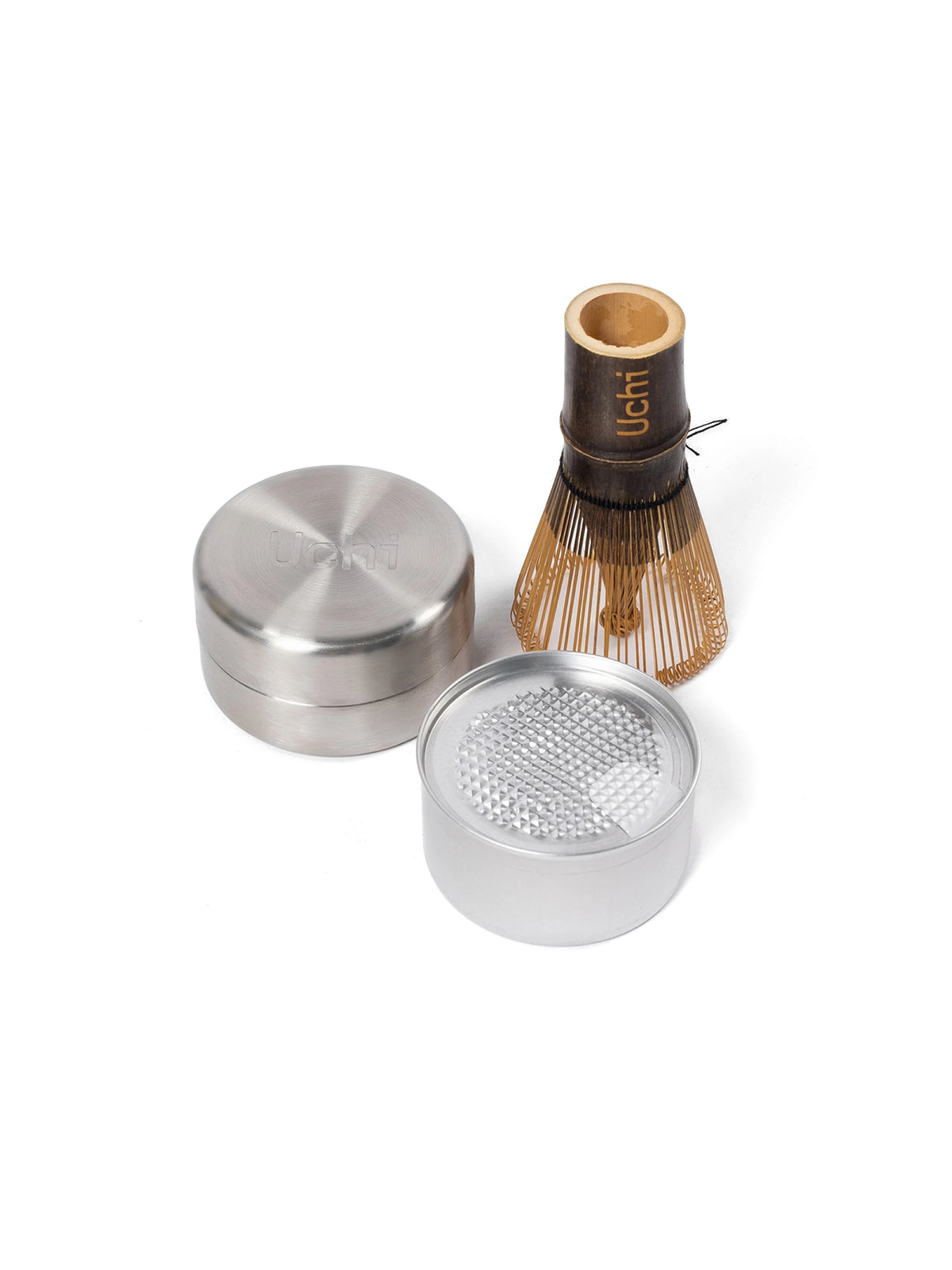
The Base is an airtight stainless steel matcha canister, kept for life. Its opaque material blocks light, while its airtight closure limits air exchange when closed. Neither feature removes the need for careful handling.
The Pod contains 40g of matcha in recyclable aluminium. The Base and Pod have distinct roles: one is the lasting container; the other contains the matcha replenished through use.
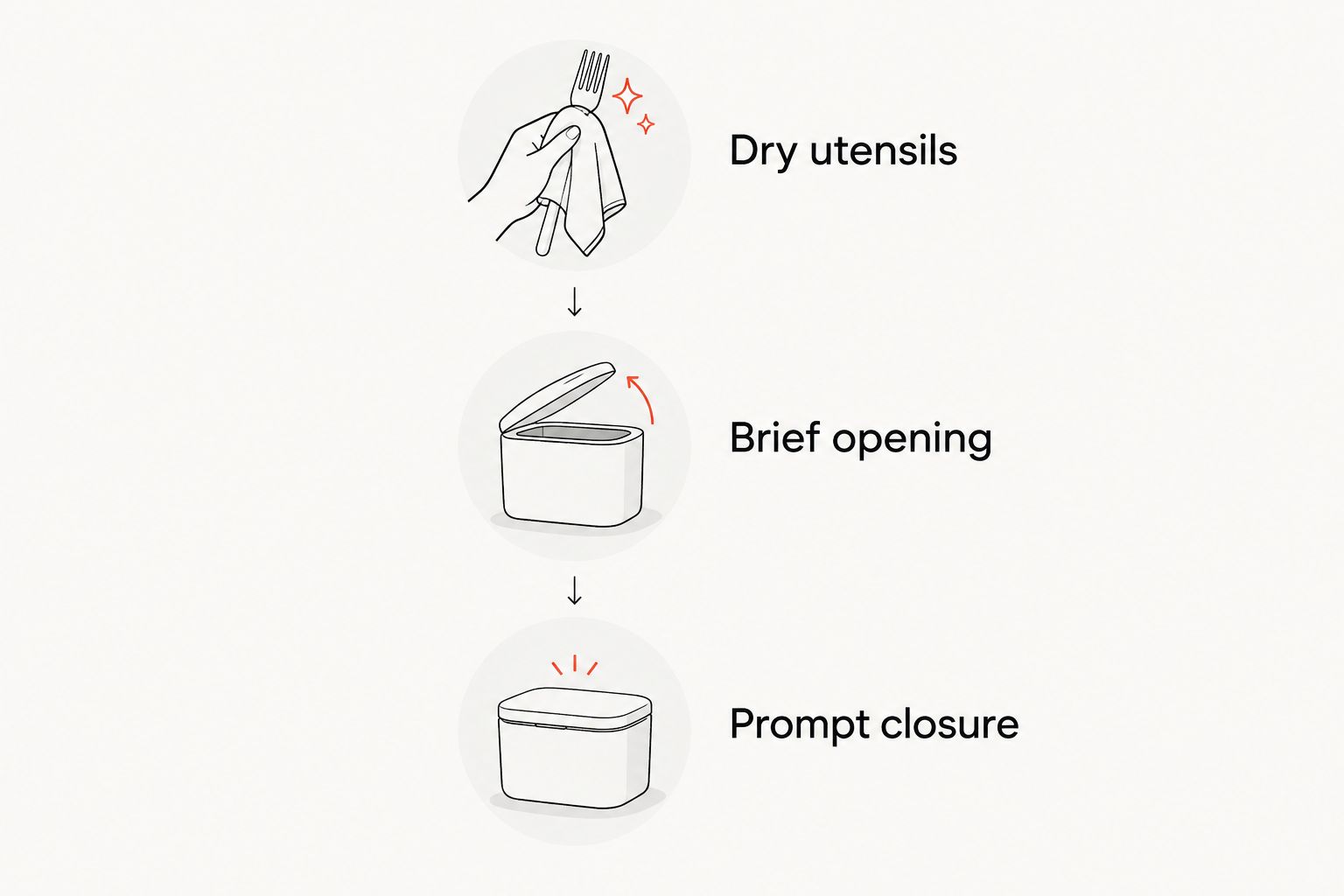
Keep the daily sequence simple:
- Dry utensils. Keep water out of the powder.
- Brief opening. Measure the portion without leaving the container standing open.
- Prompt closure. Close it before moving on to whisking.
Stainless steel does not make placement irrelevant. Keep the container away from heat and steam rather than beside a kettle or cooking area. A closed container belongs in a suitable storage position, not simply wherever preparation happens.
Refilling also needs attention. A container that has been washed must be completely dry before matcha is introduced. Residual moisture is not a problem that a tighter delivery interval can solve.
Choosing the first purchase before recurring Pods
A subscription replenishes matcha. It does not establish which preparation tools are already in the kitchen. Keep that distinction clear when choosing the first order.
Home contains Base + Pod. Home + Whisk contains Base + Pod + Whisk. Complete contains Base + Pod + Bowl + Spoon + Sieve + Whisk.
| First purchase | Contents |
|---|---|
| Home | Base + Pod |
| Home + Whisk | Base + Pod + Whisk |
| Complete | Base + Pod + Bowl + Spoon + Sieve + Whisk |
Home suits a household with preparation tools already in place. Its limitation is equally clear: it does not include the Whisk, Bowl, Spoon or Sieve.
Home + Whisk adds the bamboo chasen, with 120 prongs. It suits someone who needs the Whisk but already has the other preparation tools; those other tools are not included.
Complete suits a first purchase that needs the named preparation tools together. Its limitation is duplication when a suitable bowl, whisk, scoop and sifter are already owned. Inventory the kitchen before choosing.
The matcha behind the delivery schedule
Delivery frequency describes replenishment. It does not describe origin, harvest or composition. Those details deserve separate attention when comparing subscriptions.
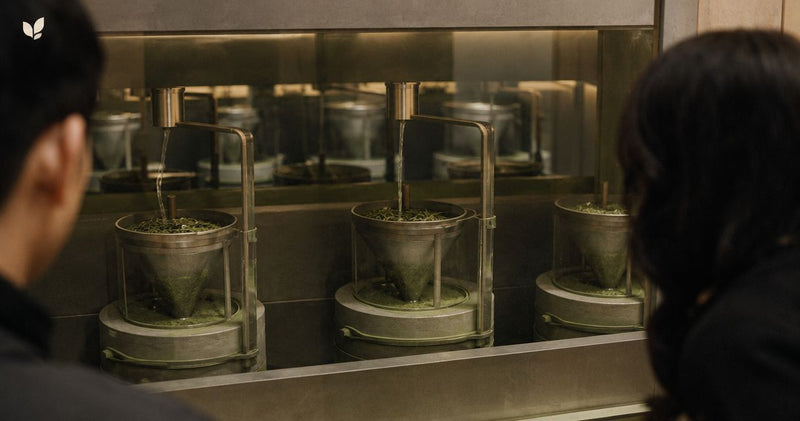
Kaze no Shiro is a first-flush blend composed by the house tea master at Horii Shichimeien. It draws first-harvest tencha from Kyoto, Nara and Shiga, weaving Okumidori, Yabukita and Sayamakaori. It is not single origin, single estate or single cultivar.
The leaves are shaded for 25 days before harvest. The matcha is stone-milled at 40 grams an hour. These are production details, not reasons to select a particular delivery interval.
The practical distinction is simple. Choose the matcha by its stated composition and preparation experience; choose the subscription rhythm by how much is used at home.
How the delivery rhythms are ranked
This 2026 comparison orders routines by their usefulness as distinct household examples, not by claimed product quality. Daily use comes first, followed by shared consumption, lighter portions and occasional preparation.
Every finish time uses the same calculation: 40g divided by measured consumption over time. Storage, missed bowls and household changes remain separate considerations. No interval is presented as an advertised subscription tier.
Choosing a matcha subscription rhythm
Start with measured consumption, then select the available interval that fits it. For one daily 2g bowl, use 20 days as the planning reference. For two daily 2g bowls, use 10 days.
Choose a longer reference only when the portion or preparation frequency supports it. In 2026, the useful subscription remains the one that follows the household rather than asking the household to follow the subscription.
FAQ
How often should a matcha subscription arrive?
A matcha subscription should follow measured household consumption. A 40g Pod lasts 20 days at 2g daily; compare that finish time with the current delivery options and shipping terms.
How many bowls does a 40g Pod make?
A 40g Pod makes twenty 2g bowls or forty 1g bowls. The bowl count changes with the amount used in each preparation.
Is a monthly matcha subscription suitable for daily use?
A monthly schedule is not an automatic fit for daily use. One 2g bowl each day uses a 40g Pod in 20 days, so compare the quantity delivered with actual consumption.
How often do two matcha drinkers finish a Pod?
Two people making one 2g bowl each day finish a 40g Pod in 10 days. Additional bowls or different portions change that calculation.
Does a 40-day supply mean matcha stays fresh for 40 days?
No. A 40-day supply calculation describes quantity, not a guaranteed freshness period. Air, light, moisture and handling remain relevant after opening.
Does the Pod include the Base?
The Pod and Base are separate product components. Home contains Base + Pod, while Complete also includes Bowl, Spoon, Sieve and Whisk.
Can I choose any delivery interval for a Uchi matcha subscription?
Check the current subscription options before choosing an interval. The consumption examples in this guide do not establish selectable delivery frequencies, pause controls or change policies.
One last thing
A finish date is more useful than a guessed cup count. Mark the opening date, keep the portion consistent, and note when the Pod is empty. That small record gives the next subscription decision a concrete starting point.