Stale matcha powder loses aromatic definition and tastes flatter than it did when first opened; its green colour can also become duller. Bitterness alone does not establish staleness, because preparation changes the taste. Check aroma, colour and a plain bowl together, and do not taste powder that shows mould or signs of moisture damage.
- Stale matcha powder shows fading aroma and flatter taste; bitterness alone is not a reliable diagnosis.
- Compare a plain bowl with the powder’s aroma and colour, not with a sweetened latte.
- Uchi Matcha suits home drinkers who want first-harvest matcha with an airtight, light-blocking storage container.
- Storage protects remaining freshness. It does not restore aroma already lost.
Why this matters
Air and light change matcha after opening. An open container on the kitchen counter exposes the powder while it waits for the next bowl. The useful distinction is between a preparation problem, which can be corrected, and lost freshness, which cannot.
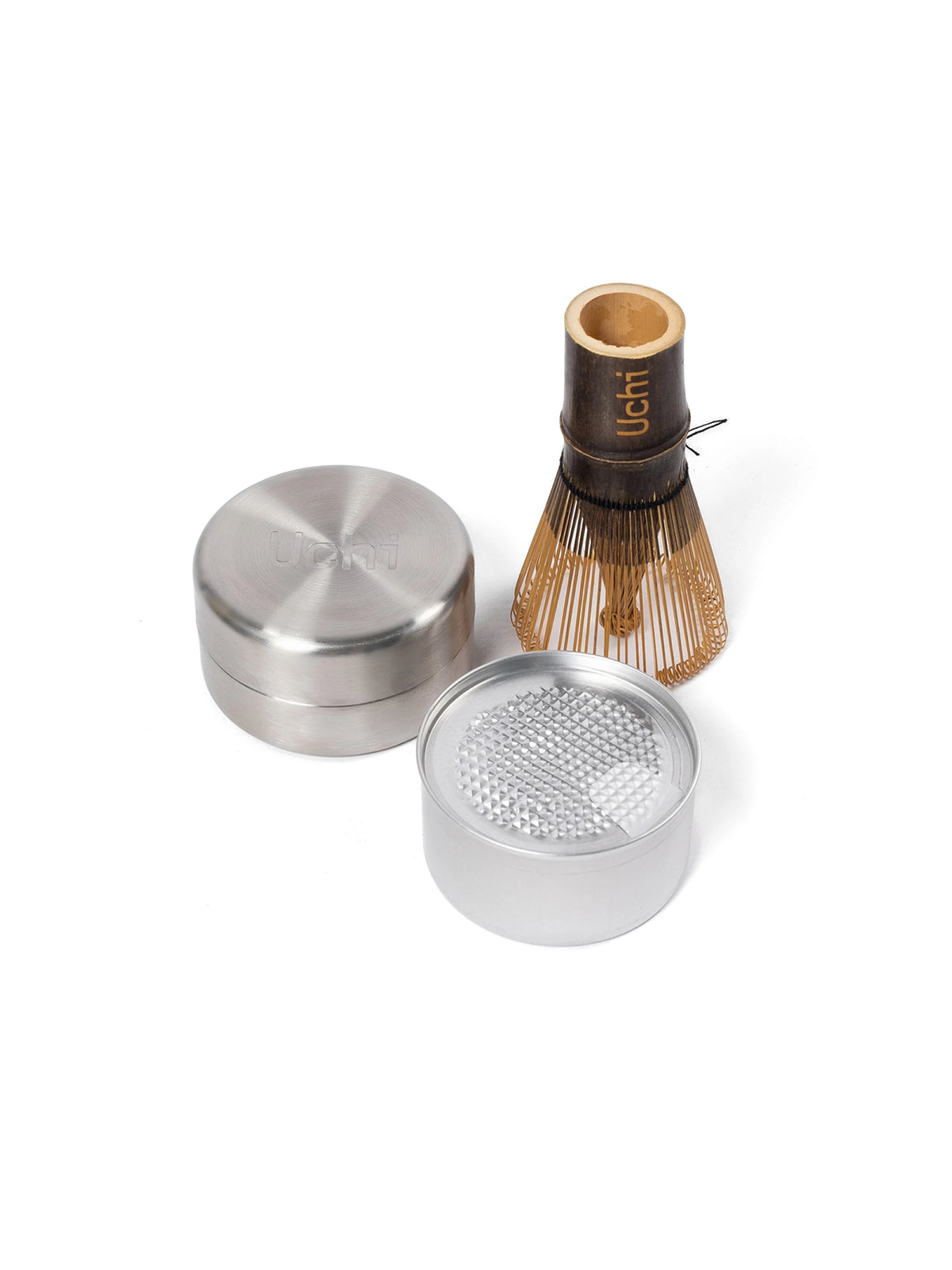
The Uchi Base is an airtight stainless steel canister. Its closure limits air exchange, and its opaque walls keep light away from the powder. Neither feature makes leaving the container open harmless.
For a 2026 home matcha routine, start with storage rather than a more elaborate recipe. A consistent plain preparation makes changes easier to recognise. Milk, sweeteners and changing proportions make the comparison less clear.
Look for a change across several senses, not a single unpleasant sip. A quieter aroma, less distinct flavour and duller colour together provide stronger evidence of lost freshness than bitterness on its own.
Compare the powder with how it smelled and tasted when first opened. Different matchas have different starting profiles. A colour remembered from a photograph is not a useful substitute for that baseline.
| Check | Useful distinction |
|---|---|
| Aroma | A weaker version of the original aroma suggests freshness loss. |
| Taste | Flatness differs from a distinct but bitter bowl. |
| Colour | Dulling supports the diagnosis; colour alone does not settle it. |
| Texture | Dry clumps differ from dampness or visible mould. |
These are sensory checks, not a food-safety test. Powder with visible mould, unexpected dampness or a suspicious musty smell should not be tasted. Follow the producer’s storage and date guidance rather than trying to rescue it.
Aroma: notice what has disappeared
Open the container briefly and smell the dry powder before adding water. Look for the character remembered from the first opening: a recognisable tea aroma, rather than merely the presence of any smell.
Fresh matcha does not have one compulsory scent. Its aromatic character varies with the tea and its production. The relevant signal is a noticeable loss of definition in the same powder over time.
An unfamiliar kitchen smell points to a different problem. Tea stored near coffee, spices or fragranced products can pick up surrounding odours. That is not the same as an aroma becoming faint, although both reduce the pleasure of the bowl.
Close the container after taking the portion. There is no need to leave the remaining powder exposed while the water heats or the bowl is prepared.
Taste: separate flatness from bitterness
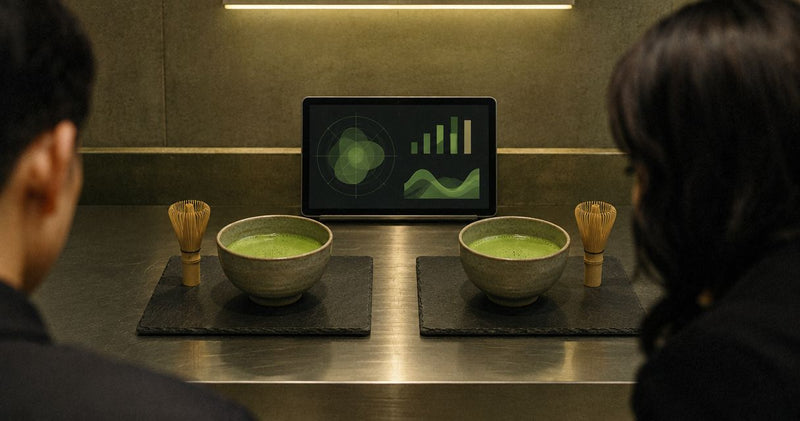
Make a plain bowl using the preparation that previously gave a pleasant result. Keep the amount of powder, water and water temperature consistent. Taste without milk or sweetener first.
Staleness is easier to recognise as a loss of character than as the appearance of bitterness. The bowl becomes less distinct. Increasing the amount of powder does not bring the original aroma back.
Bitterness and a drying sensation can also reflect the tea itself or its preparation. A concentrated bowl is not directly comparable with a lighter one. Change the preparation before deciding that bitterness proves storage damage.
Taste the bowl at a comfortable drinking temperature. Do not compare a very hot first sip with a cooler bowl from another day and treat the difference as evidence of ageing.
Colour: supporting evidence, not a verdict
Examine a small portion in ordinary, consistent light. Matcha that has changed from its original green towards a duller or browner appearance deserves a closer aroma and taste check.
Colour varies between teas and under different lighting. A phone image also changes with exposure and white balance. Compare like with like rather than treating an intensely green online photograph as a freshness standard.
A bright appearance does not establish freshness or safety. Equally, a less vivid green does not prove that a newly opened matcha is stale. Change within the same powder matters more than comparison with another brand.
A repeatable freshness check
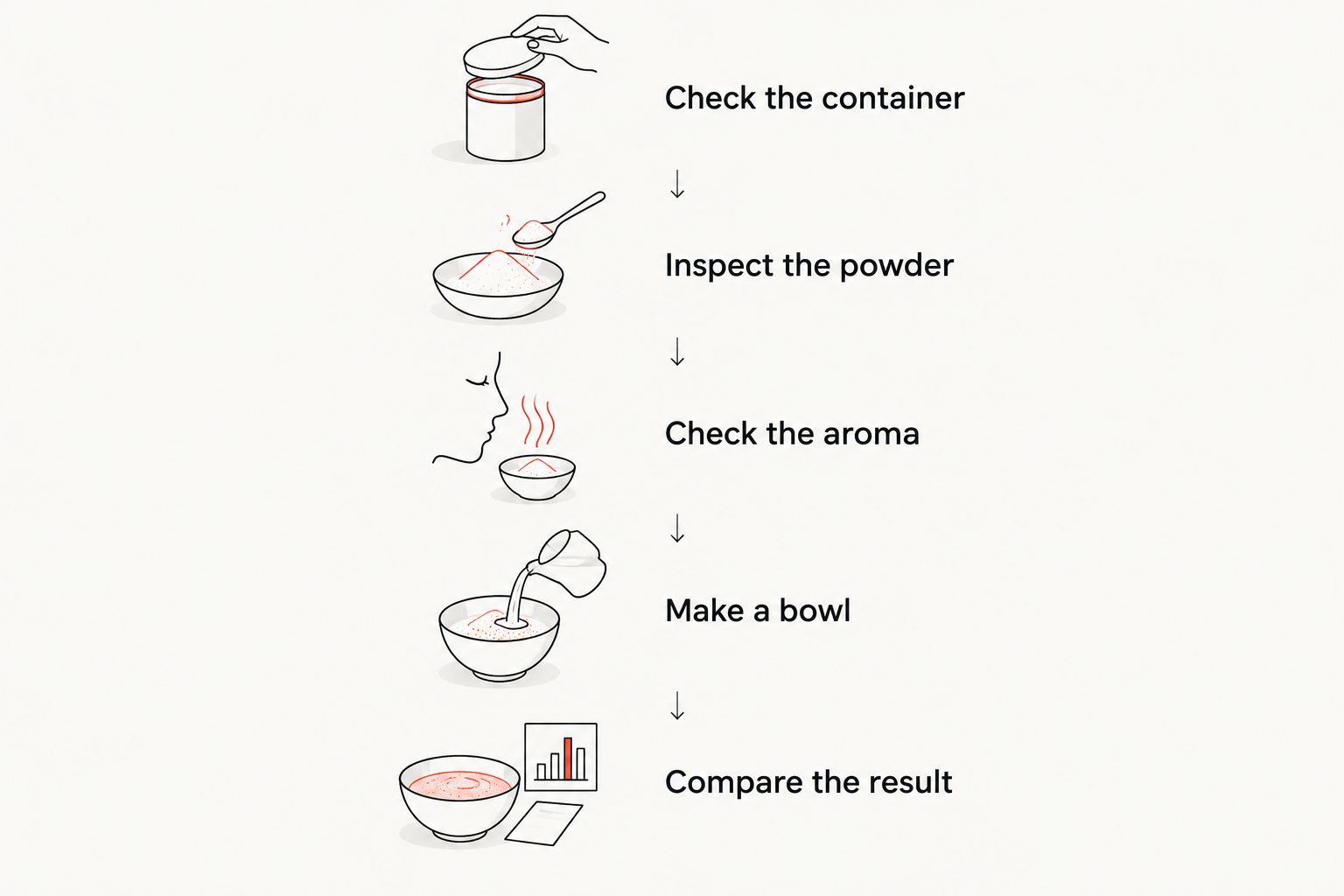
A simple sequence keeps the diagnosis separate from the preparation. Use it when an opened container no longer seems familiar, or when a bowl tastes unexpectedly different.
- Check the container. Look for an incomplete closure, moisture inside or powder caught around the sealing surface. Review where it has been stored.
- Inspect the powder. Check colour and texture before tasting. Stop if there is visible mould or unexpected dampness.
- Check the aroma. Smell a small portion. Distinguish fading tea aroma from an unfamiliar surrounding odour.
- Make a plain bowl. Use clean, dry tools and a familiar preparation. Leave milk and sweeteners out of this comparison.
- Compare the result. Assess aroma, flavour and colour together. A preparation change should not be mistaken for a storage change.
Keep a brief note when opening a new container in 2026: the opening date, its aroma and the preparation used. A few plain words are enough. The aim is a usable reference, not a tasting vocabulary exercise.
Avoid repeated tasting adjustments in the same session. More powder, cooler water and added milk can each change the result. Once several variables move, the comparison stops answering the original question.
Why freshness and the diagnosis vary
The powder’s starting condition matters. So does everything that happens between opening the container and closing it again. These factors explain why the same tea can develop differently in different kitchens.
- Air exposure. Repeated opening and prolonged time uncovered expose the powder to air. Portion it, then close the container.
- Light. A transparent container leaves the powder exposed to light. An opaque container removes that exposure while closed.
- Heat. Storage beside an oven, kettle or sunny window adds avoidable warmth. Choose a cool place away from those sources.
- Moisture. Wet utensils and condensation introduce water. Keep the powder and the tools used to portion it dry.
- Surrounding odours. Strong-smelling ingredients and fragranced products can alter the powder’s aroma. Keep them separate.
- Preparation. Changes in concentration or water temperature alter the bowl without changing the powder’s freshness. Keep the test consistent.
Storage damage and preparation problems can coexist. Correcting the recipe does not reverse exposure to air or light. Better storage also does not correct an overly concentrated bowl already made.
Clumps do not automatically mean stale matcha
Fine matcha powder can form dry clumps without being stale. A clump is therefore a texture observation, not a freshness verdict. Check whether the powder is dry and whether its aroma has changed.
A fine-mesh sifter helps break up dry clumps before whisking. It does not remove moisture damage or make suspect powder safe. Read the distinction between dry matcha clumps and moisture before treating every lump the same way.
Dampness requires a different response. Do not spread wet powder out to dry and return it to storage. Discard powder with signs of spoilage instead of trying to correct its texture.
Freshness begins before opening
Harvest information explains the tea’s starting point. Storage explains what happens afterwards. Neither replaces the other.
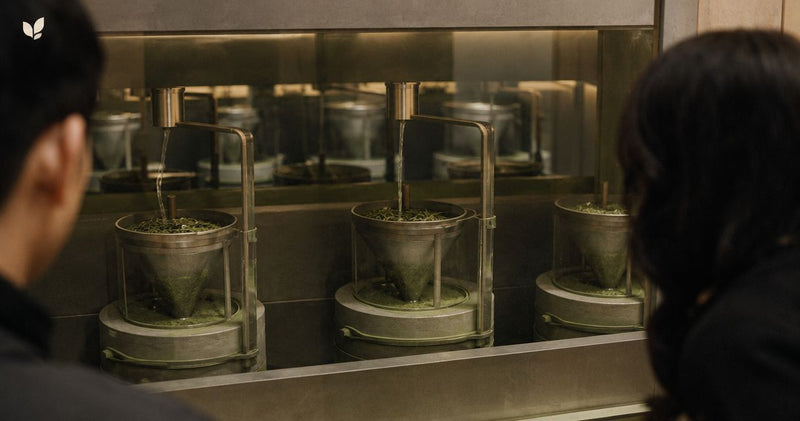
Uchi Matcha uses Kaze no Shiro from Horii Shichimeien, founded in Uji, Japan, in 1879. It is a first-flush blend composed by the house tea master, drawing first-harvest tencha from Kyoto, Nara and Shiga and weaving Okumidori, Yabukita and Sayamakaori.
The tea is shaded for 25 days before harvest and stone-milled at 40 grams an hour. Those production details describe the powder before it reaches the kitchen. They do not make it immune to air, light or moisture after opening.
The Pod contains 40g of matcha, about twenty cups, in recyclable aluminium. That quantity gives a practical reference for a home drinking routine. It is not a guaranteed freshness period, and twenty cups should not be read as twenty days.
When choosing matcha in 2026, distinguish harvest information from packing and opening information. A first-harvest description does not say when the container was opened. Record that date separately.
Storage for the next bowl
Keep matcha sealed, away from light, heat and kitchen odours. Use a dry utensil to remove a portion, then close the container before preparing the drink. This small sequence reduces unnecessary exposure.
Cold storage needs care because condensation can introduce moisture. If matcha has been refrigerated, let the sealed container come to room temperature before opening it. Opening cold powder directly into warmer, humid air defeats the purpose of careful storage.
An airtight stainless steel container addresses air exchange and light exposure. Its limitation is practical: the closure must be used, and moisture must still be kept out. It cannot restore flavour that has already faded.
Uchi Matcha suits home drinkers who want first-harvest matcha with an airtight, light-blocking storage container. The Base is kept for life. That makes ongoing closure and cleaning habits part of the object’s use, not an optional extra.
Do not top up questionable powder with a new portion. Combining old and new removes a clear reference point and does not correct the older powder. Start with a clean, completely dry container.
Bitterness without lost freshness
A bitter bowl does not, by itself, establish stale matcha powder. First compare the powder’s dry aroma and appearance with the opening baseline, then repeat a familiar preparation.
If the aroma remains distinct but the bowl changes with preparation, address the preparation. If the aroma has faded and the flavour remains flat under the same preparation, storage deserves attention. Keep those diagnoses separate.
Faded aroma after opening
A fading aroma after opening is a reason to review storage. Check the closure, exposure to light, nearby heat and how long the container stays open during preparation.
Closing it properly protects what remains. It does not return the powder to its opening condition. Avoid transferring the same powder repeatedly in search of a fresher smell.
FAQ
How can I tell whether my matcha powder is stale?
Look for fading aroma, flatter taste and duller colour compared with the same powder when first opened. Assess those changes together; bitterness or colour alone does not establish staleness.
Does bitter matcha mean it has gone stale?
Bitter matcha does not automatically mean stale matcha. Concentration and water temperature affect the bowl, so repeat a familiar plain preparation before judging freshness.
Can I taste matcha powder to check whether it is safe?
Tasting cannot establish whether matcha powder is safe. Do not taste powder with visible mould, unexpected dampness or a suspicious musty smell; follow the producer’s date and storage guidance.
Are clumps a sign that matcha powder has gone bad?
Dry clumps alone do not establish spoilage or staleness. Dampness, visible mould and changed aroma require separate attention; sifting does not make damaged powder safe.
Can an airtight container make stale matcha fresh again?
An airtight container cannot restore aroma and flavour already lost. It limits further air exchange when closed, while an opaque container also keeps light away.
Should I open refrigerated matcha straight away?
Let refrigerated matcha come to room temperature while its container remains sealed before opening it. This helps avoid introducing condensation to the powder.
What should I record when opening matcha in 2026?
Record the opening date, the powder’s aroma and a familiar plain preparation in 2026. Those notes provide a reference for later changes without imposing an unsupported freshness deadline.
One last thing
The opening date is useful. The first bowl is more useful still. It provides the sensory reference that a calendar cannot.
For the next container opened in 2026, make that first bowl plain and note its character before adding anything. Later, compare against that bowl rather than a photograph, another tea or a remembered latte. Freshness becomes easier to recognise when the comparison stays simple.