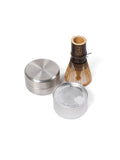
Air and light belong in any comparison of Yu Tea alternatives in 2026: Uchi suits home matcha drinkers who want first-harvest tea with an airtight, light-proof container. Stay with Yu Tea if the tea you already enjoy and the storage you already use meet your needs.
- For Yu Tea alternatives, Uchi pairs first-harvest matcha with an airtight stainless steel Base.
- Choose Home for Base and Pod; choose Complete when the preparation tools are also needed.
- Home + Whisk leaves the Bowl, Spoon and Sieve out; Pod is for existing Base owners.
- Keep Yu Tea if its taste suits you and your storage already protects the powder.
Why this matters
Matcha is powdered leaf. Exposure to air, light, heat and moisture affects its condition after opening. Choosing another tea does not remove the need to store it carefully.
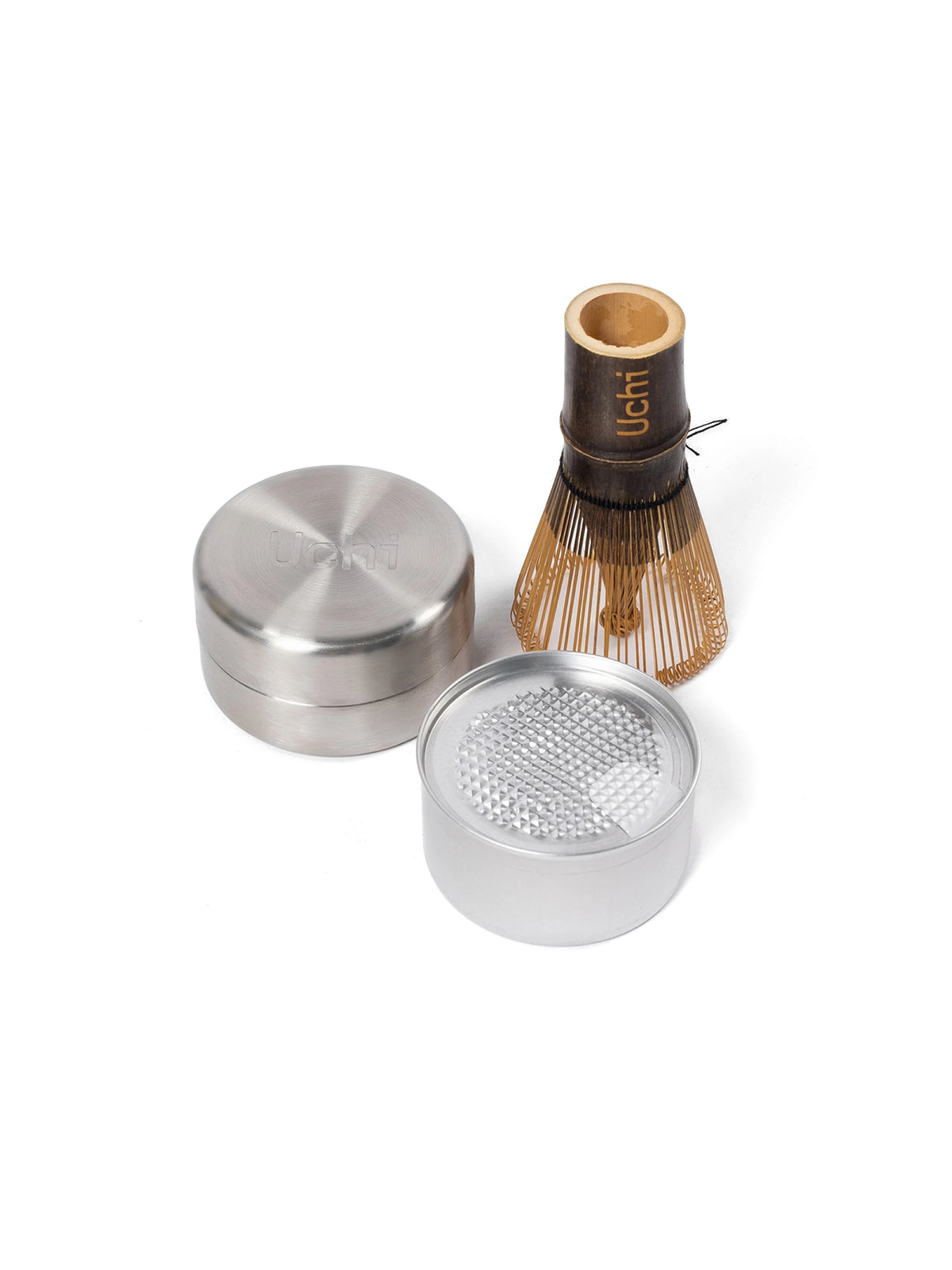
The Base is an airtight stainless steel canister. It blocks light and is kept for life. Those are concrete storage features, not a reason to leave matcha beside a hob or an appliance that gives off heat.
Uchi matcha suits home drinkers who want named sourcing and permanent storage together. The choice is then practical: keep the tools already in use, add a Whisk, or choose the preparation pieces together. That distinction matters more than replacing every object on the counter.
Yu Tea alternatives at a glance in 2026
Start with what needs changing. A different tea, a storage container and a collection of preparation tools answer different needs.
| Option | Choose it for |
|---|---|
| Yu Tea | Keeping a tea you already enjoy |
| Home | Base and first Pod, without preparation tools |
| Complete | Base, Pod, Bowl, Spoon, Sieve and Whisk |
| Home + Whisk | Base, Pod and Whisk; other tools remain separate |
| Pod | More matcha when a Base is already owned |
The alternatives below are different ways to begin or continue with the same matcha. They are not different grades or different blends. Choose between them by looking at storage and equipment, rather than expecting a different tea in each option.
For Yu Tea, keep the comparison grounded in the exact product being considered. Read its producer, harvest and storage information alongside the corresponding details below. A brand name alone does not describe what is inside a particular product.
1. Home: for drinkers who already own their tools
Home contains Base and Pod. It puts storage first and leaves preparation equipment to the objects already in the kitchen. The Pod contains 40g of matcha, about twenty cups.
This is the direct choice when a bowl and whisk are already part of the routine. There is no need to replace a familiar bowl simply to change the tea stored beside it.
Where Home shines
- Base provides airtight, light-proof storage in stainless steel.
- Pod supplies the first matcha for that container.
- Existing preparation tools can remain in use.
Where Home falls short
- Home does not include Whisk, Bowl, Spoon or Sieve.
- It is not the choice for someone expecting all the preparation pieces together.
- Choosing Home commits to a permanent storage object, not just a first taste.
| Decision | Home approach |
|---|---|
| Storage | Base is included |
| Tea quantity | Pod contains 40g |
| Preparation | Tools are separate |
Against keeping Yu Tea, Home makes sense when permanent storage is part of the desired change. If the current container already works and only the taste needs comparing, begin with a tasting decision instead of an equipment decision.
For: home drinkers with preparation tools already in place. Verdict: Buy Home when storage and tea are needed together.
2. Complete: for a first home preparation setup
Complete contains Base, Pod, Bowl, Spoon, Sieve and Whisk. Each object has a defined role: storage, tea, mixing space, measuring, sifting and whisking. Nothing in that list changes the blend inside the Pod.
Choose Complete when those roles are not already covered. It removes the need to select the preparation pieces separately, but it also brings more objects into the kitchen.
Where Complete shines
- Base and Pod cover storage and tea.
- Bowl gives Whisk room to move.
- Spoon and Sieve support measured, sifted preparation.
- Whisk is a bamboo chasen with 120 prongs.
Where Complete falls short
- It duplicates tools for someone who already owns them.
- More pieces need room for use, cleaning and drying.
- It is unnecessary when the only missing item is matcha.
| Decision | Complete approach |
|---|---|
| Storage | Base is included |
| Preparation | Bowl, Spoon, Sieve and Whisk included |
| Existing tools | Check for duplication first |
Against continuing with Yu Tea, Complete answers an equipment need as well as a tea choice. That is a meaningful distinction. Switching tea does not, by itself, require replacing the bowl or whisk used to prepare it.
For: someone beginning home preparation without these tools. Verdict: Buy Complete when the preparation pieces are genuinely needed.
3. Home + Whisk: for an existing bowl and a missing whisk
Home + Whisk contains Base, Pod and Whisk. It sits between Home and Complete in equipment, not in the matcha supplied. Bowl, Spoon and Sieve are not included.
This option fits a kitchen with a suitable bowl already in use. Check that the bowl gives a bamboo chasen room to move; ownership alone does not establish suitability.
Where Home + Whisk shines
- It pairs storage and tea with the whisking tool.
- The Whisk has 120 prongs.
- It leaves the choice of bowl and measuring method open.
Where Home + Whisk falls short
- It does not include Bowl, Spoon or Sieve.
- A narrow drinking cup can restrict whisk movement.
- It duplicates a chasen if a suitable one is already owned.
There is a clear boundary here. Choose Home when the whisk is already covered. Choose Home + Whisk when that is the missing preparation piece. Choose Complete only when the other objects are needed too.
When considering this instead of Yu Tea, separate the tea decision from the whisk decision. A new whisk is not evidence that another tea will suit the palate.
For: drinkers with a suitable bowl who need storage, tea and a chasen. Verdict: Buy Home + Whisk when the missing tool is the Whisk.
4. Pod: for existing Base owners
Pod is the matcha itself: 40g, about twenty cups, in recyclable aluminium. It is the continuation option once a Base is already owned. It does not include another Base or preparation tools.
Where Pod shines
- It supplies more matcha without another permanent canister.
- The quantity is stated clearly.
- Existing tools and Base remain in use.
Where Pod falls short
- It does not provide the Base for a first purchase.
- It does not address missing preparation equipment.
- Forty grams still needs careful handling after opening.
For someone comparing another purchase from Yu Tea with Pod, the relevant questions are taste, sourcing and the storage already available. Pod is not a substitute for choosing that storage in the first place.
For: existing Base owners who need more matcha. Verdict: Hold if a Base is not already owned; choose Home first.
Read the blend, not just the origin label
A useful 2026 matcha comparison names the producer and explains the leaf. Terms such as ceremonial grade do not replace that information. Nor does a reference to Uji establish that every leaf comes from one farm.
Uchi matcha is Kaze no Shiro from Horii Shichimeien, founded in Uji, Japan, in 1879. It is a first-flush blend composed by the house tea master. The blend draws first-harvest tencha from Kyoto, Nara and Shiga, weaving three cultivars: Okumidori, Yabukita and Sayamakaori.
It is not single origin, single estate or single cultivar. Blending is how the house composes its flavour and holds it steady across seasons.
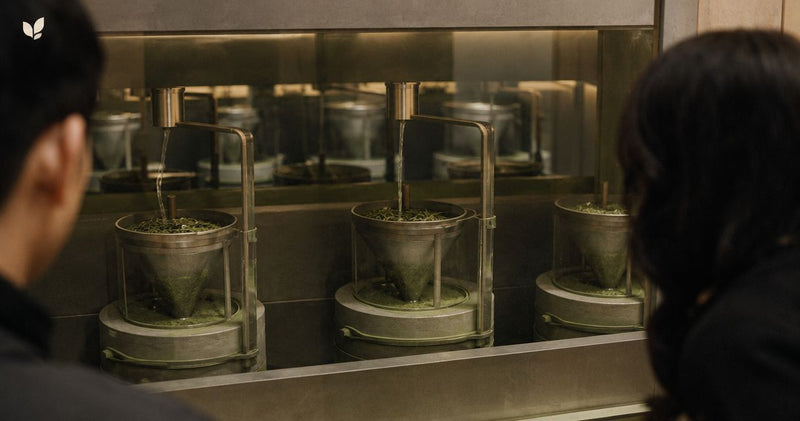
The tea is shaded for 25 days before harvest and stone-milled at 40 grams an hour. These are production details. They describe the tea more precisely than an adjective, but they do not replace tasting it.
Broader comparisons of Art of Tea alternatives call for the same distinction: choosing another supplier and choosing another kind of tea are separate decisions. Here, the comparison remains focused on matcha for home preparation.
Reasons to change in 2026
A reason to switch should describe something wanted from the next purchase. It should not depend on an assumed fault with Yu Tea.
Three clear reasons fit this comparison:
- Permanent storage. An airtight, light-proof stainless steel container is part of the intended purchase.
- Named sourcing. The producer, first harvest and blend composition matter to the choice.
- Defined equipment. The missing objects are known, and the chosen option includes them without unnecessary duplication.
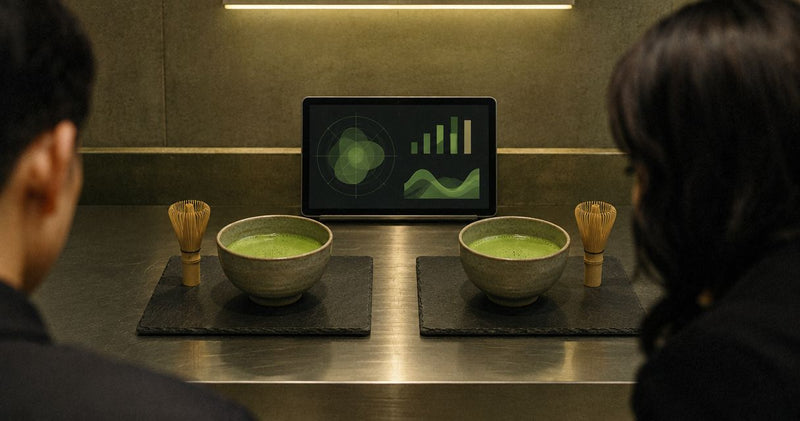
Taste remains a separate reason. Compare the tea in the way it will actually be prepared at home. Keep the water, powder quantity and preparation method consistent when the aim is to understand the difference between teas.
Do not interpret every change in a bowl as a sourcing issue. Powder quantity, water and preparation all affect the result. Changing those alongside the tea makes the comparison harder to read.
Change suppliers for a defined reason. Keep useful tools unless they are part of the problem.
A storage routine after opening
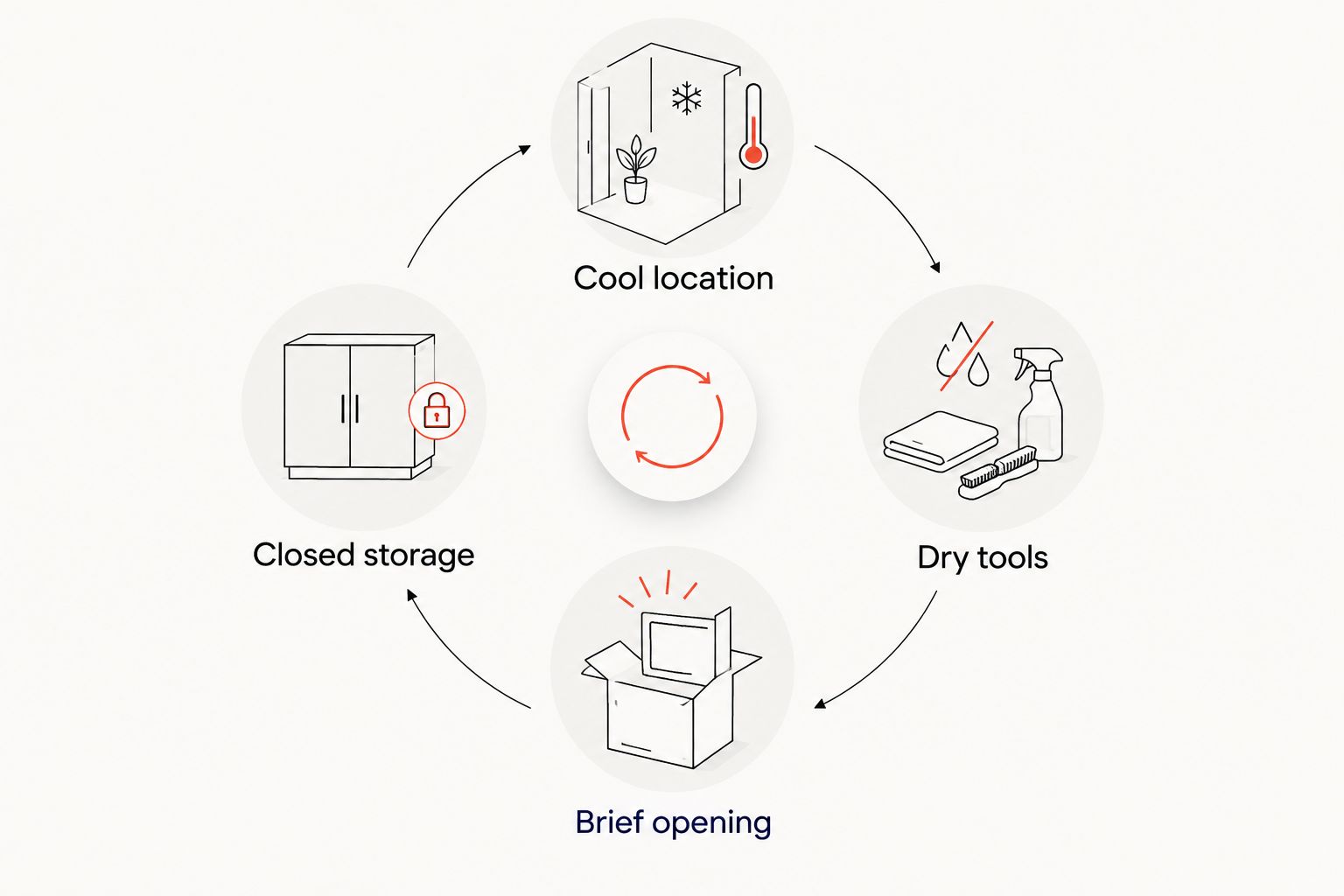
Permanent storage still depends on daily handling. An airtight closure protects the powder when it is closed; it cannot prevent exposure while the container stands open.
Keep the routine simple:
- Cool location. Store matcha away from the hob, direct sunlight and sources of heat.
- Dry tools. Keep damp utensils and steam away from the powder.
- Brief opening. Measure what is needed, then close the container.
- Closed storage. Check the closure before leaving the matcha on the counter.
Keep measuring consistent too. One leveled Spoon holds 1 gram. That gives a repeatable measure without requiring the amount to be guessed each morning.
Sifting and whisking address preparation, not preservation. A Sieve breaks up clumps before water is added. Whisk disperses the powder through the water; matcha is a suspension, not a powder that fully dissolves. Neither tool reverses stale flavour.
The materials deserve the same precision. Pod uses recyclable aluminium. That describes the material, not a guarantee about its collection locally. The foam insert remains an unresolved material; calling the whole purchase waste-free would hide that distinction.
Keeping Yu Tea in 2026
Staying with Yu Tea is a sound choice when the tea suits the palate, its sourcing information meets the reader's requirements and storage is already handled. A comparison page does not create a need to switch.
The same applies to equipment. A suitable bowl, dry measuring utensil and functioning chasen do not become unsuitable because another collection exists. Assess what is missing before choosing a larger purchase.
A first purchase from Uchi should answer a concrete need. Home answers storage and tea. Complete adds the preparation objects. Neither requires a claim that Yu Tea has failed.
FAQ
Which Yu Tea alternative suits someone who already owns a whisk?
Home suits someone who already owns suitable preparation tools and wants Base and Pod together. It does not include Whisk, Bowl, Spoon or Sieve.
Is Uchi better than Yu Tea?
The choice depends on taste, sourcing requirements and storage needs. Uchi provides Kaze no Shiro with defined producer and blend information, alongside an airtight stainless steel Base; compare those details with the exact Yu Tea product being considered.
What is the difference between Home and Complete?
Home contains Base and Pod. Complete contains Base, Pod, Bowl, Spoon, Sieve and Whisk, so it also covers the preparation pieces.
Can I start with Pod alone?
Pod is intended for existing Base owners. Home combines the first Pod with Base for someone beginning with the storage container.
Is Kaze no Shiro single-origin matcha?
Kaze no Shiro is a first-flush blend, not single-origin matcha. The house tea master draws first-harvest tencha from Kyoto, Nara and Shiga, weaving Okumidori, Yabukita and Sayamakaori.
How much matcha does Pod contain?
Pod contains 40g of matcha, about twenty cups. The number of cups depends on the amount used for each preparation.
Does an airtight container remove the need for careful storage?
An airtight container still needs careful placement and handling. Keep matcha away from heat, use dry tools and close the container after measuring.
One last thing
Change one variable when comparing teas. Use the same bowl, the same water and the same measured quantity. Taste before adding milk or sweetener if the aim is to compare the tea itself.
The recommendation is simple: choose storage and equipment around the way matcha is already made at home. Then let the cup decide whether the tea belongs there.