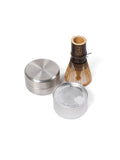
Boutique hotel matcha service is the preparation and storage of powdered green tea with the aim of serving a consistent cup across breakfast, lounge and in-room settings. Matcha for boutique hotels begins with protection from air, light and heat; the serving format comes next.
- Matcha for boutique hotels starts with airtight storage, dry handling and a repeatable preparation method.
- Uchi matcha suits boutique hotels seeking a named producer and refillable storage for a small service station.
- Choose staffed preparation before introducing self-service; powder handling and tool care need clear ownership.
- Assess breakfast service and in-room matcha separately; each needs its own preparation and cleaning plan.
Why matcha service matters for boutique hotels
An attractive breakfast counter is not necessarily a suitable place to store matcha. Sunlight, steam and heat belong in the storage decision before bowls or menu descriptions enter it. An airtight, opaque container protects powder between servings; it does not remove the need for sensible placement.
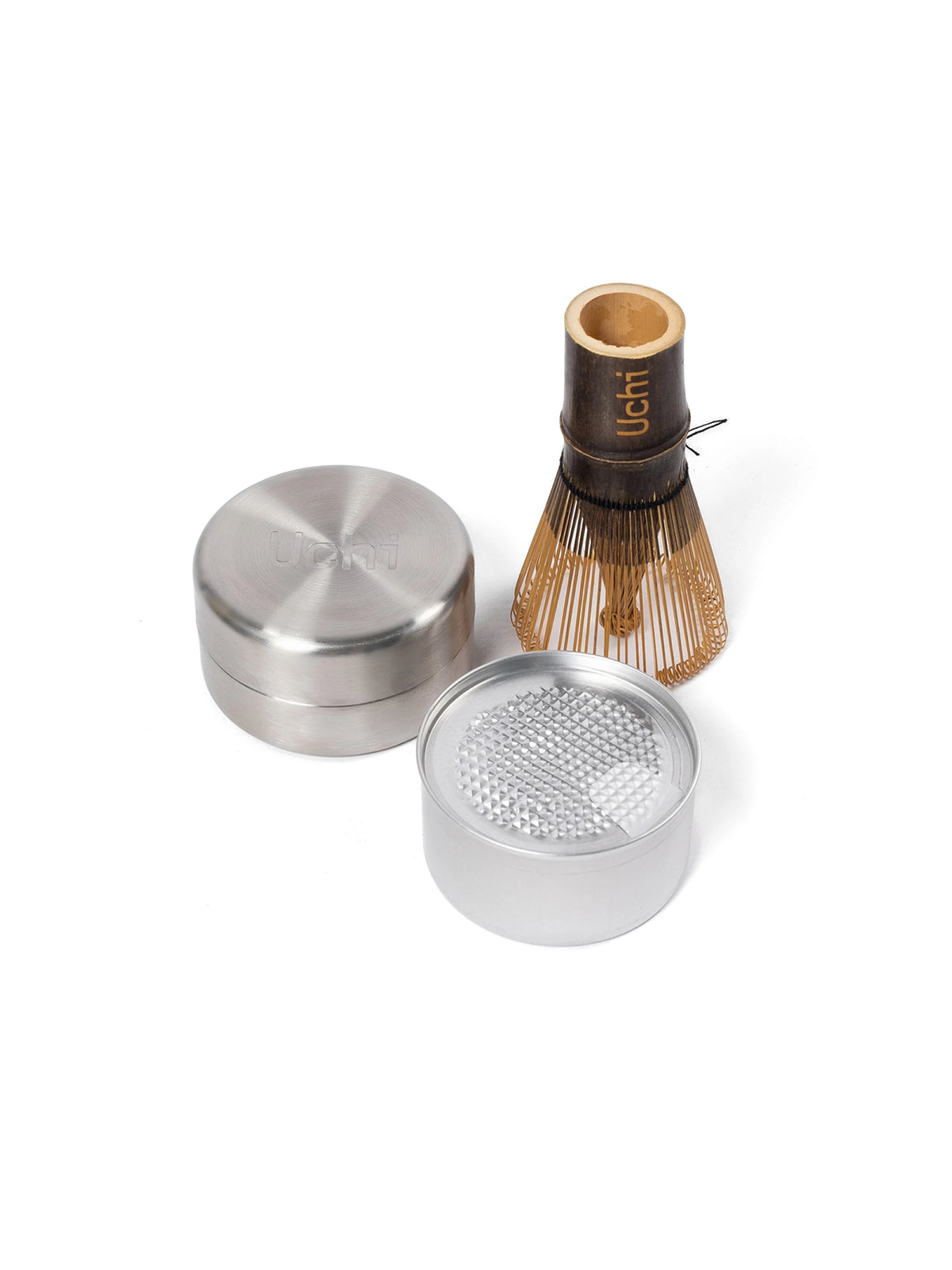
For a small station, the Base is an airtight stainless steel canister kept for life. Its limitation is equally concrete: it is a container, not refrigeration or temperature control. Keep it away from hot equipment.
Uchi matcha suits boutique hotels seeking a named producer and refillable storage for a small service station. That does not establish suitability for every breakfast operation. Capacity, preparation time and hospitality arrangements need a separate assessment.
For a 2026 service plan, start with the moments the hotel can actually support. A made-to-order breakfast drink, a hosted tasting and an unattended bedroom tray are different operations. Give each its own handling instructions rather than treating matcha as another item beside the tea bags.
Build a repeatable hotel matcha service
1. Define one service setting first
Begin with a written service brief. Name where the drink is prepared, who prepares it and how the equipment returns clean and dry. A shared document is enough; purchasing equipment comes after the workflow is clear.
Staffed breakfast preparation gives the hotel control over measurement and storage. Its limitation is the work it adds during service. In-room preparation gives guests independence, but transfers measuring, whisking and tool handling to someone unfamiliar with the process.
Choose the setting around the actual operation. A single preparation point is easier to document than several loosely specified stations. It also makes it possible to observe where powder remains open or tools become damp.
For the first 2026 trial, define success through observable checks: consistent preparation, orderly storage and a clear cleaning handover. Do not substitute an assumed demand figure for a service test.
- Name the preparation location.
- Assign responsibility for opening and closing storage.
- Choose staffed service or guest preparation.
- Specify where used tools are collected.
- Record which tasks overlap with breakfast preparation.
2. Protect the powder before arranging the counter
Use an existing food-suitable, airtight, opaque container if it provides an appropriate closure. Inspect the lid and establish a dry handling routine. Decorative display alone is not a storage method.
Air exposure continues whenever a container is open. Place the powder where staff can measure it without reaching across steam or leaving the lid aside while finishing another task. Keep serving tools separate from tools used to handle dry powder.
The Base offers a dedicated stainless steel alternative. The Pod contains 40g of matcha, about twenty cups, in recyclable aluminium. Those are product facts, not a forecast of hotel demand: the number of drinks depends on the hotel's recorded portion.
Do not assume a home-scale container answers a hospitality storage requirement. Confirm the working quantity, replenishment method and handling arrangement before choosing the format.
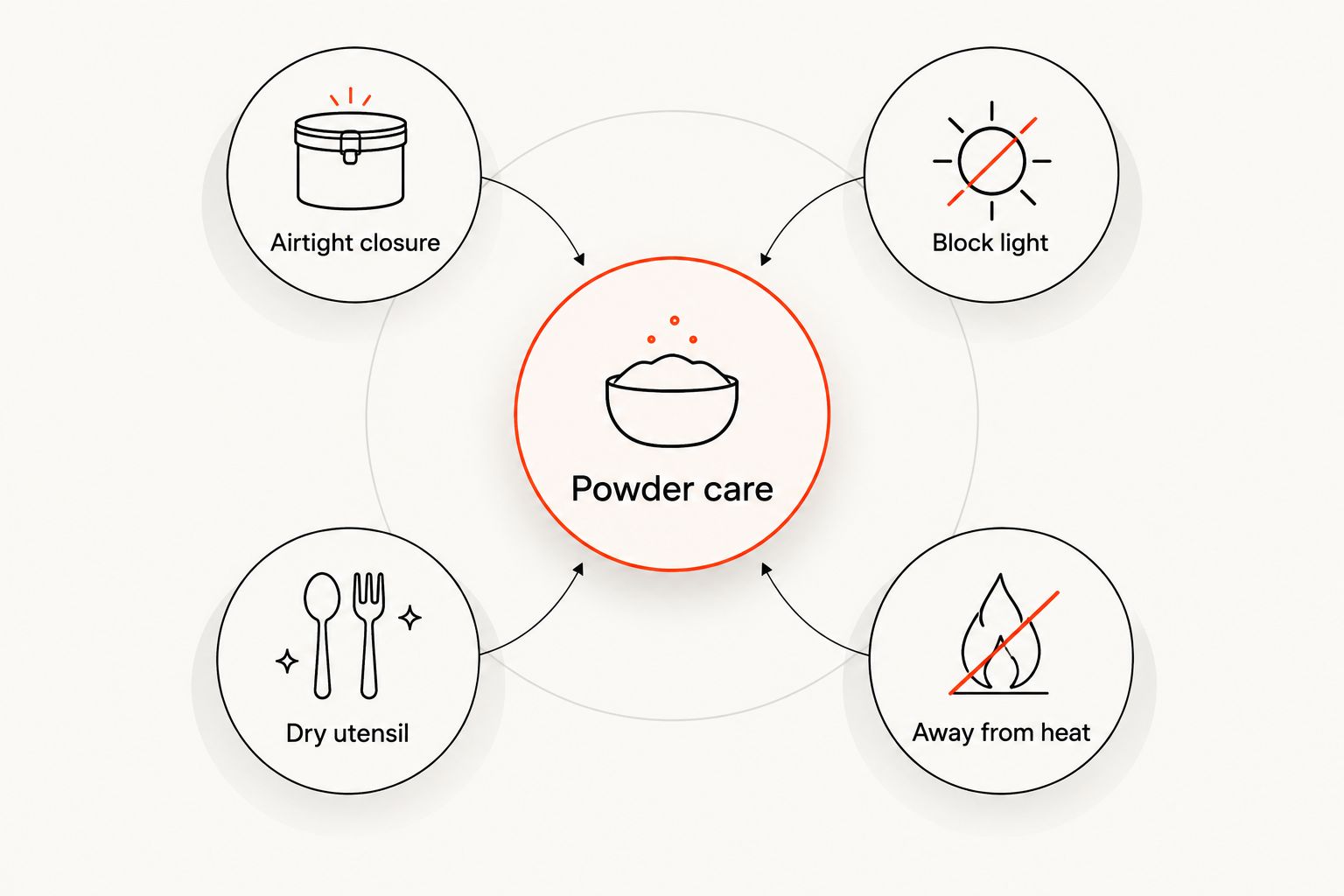
- Use an airtight closure.
- Block light rather than displaying exposed powder.
- Choose a position away from heat and steam.
- Handle powder with a dry utensil.
- Close storage immediately after measuring.
3. Write a preparation card staff can repeat
Start with a kitchen scale and a written recipe. Record the powder quantity, water quantity, water temperature and preparation sequence that the hotel approves through tasting. Keep the recipe accessible at the station, not only in a training document.
Matcha forms a suspension rather than dissolving like sugar. Sifting breaks up clumps before water is added; whisking disperses the powder. Treat these as separate actions. More vigorous whisking does not replace dry storage or consistent measurement.
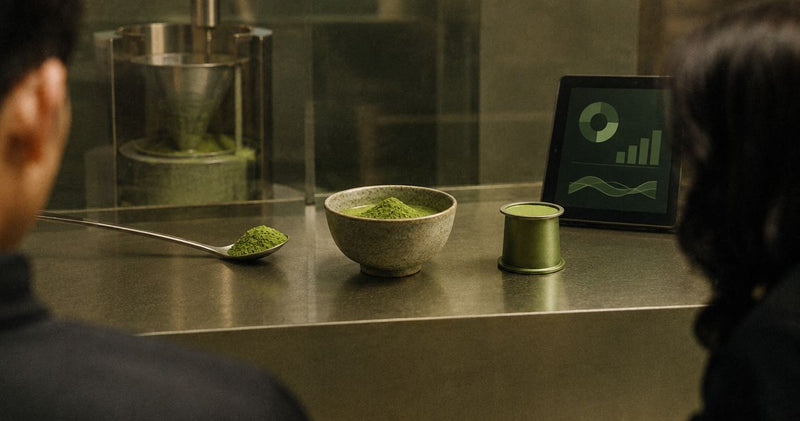
For an established recipe, the Spoon offers another measuring method: one leveled Uchi Spoon holds 1 gram. Verify that staff level it consistently before using it in place of a scale. An unspecified scoop is not a measurement.
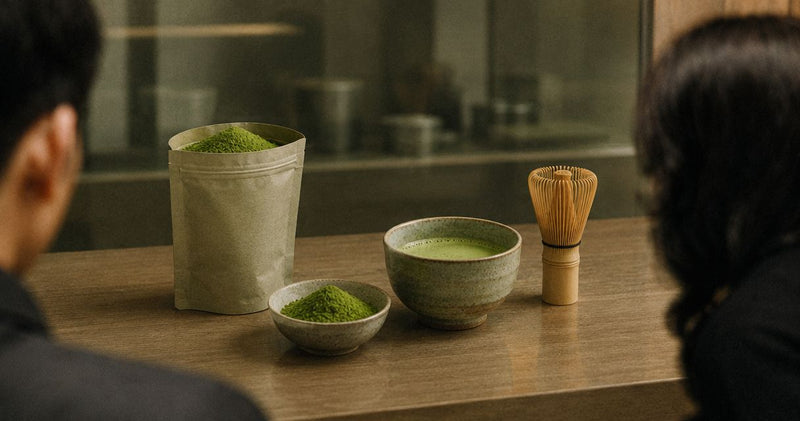
The Whisk is a bamboo chasen with 120 prongs. It provides a manual preparation option, but requires cleaning, drying and careful handling between uses. Include that work in the service plan.
- Record ingredients by weight or measured volume.
- State the approved water temperature.
- Sift the measured powder before adding water.
- Describe the whisking motion in plain language.
- Include tool cleaning and drying in the same card.
4. Taste the actual menu drink before writing its description
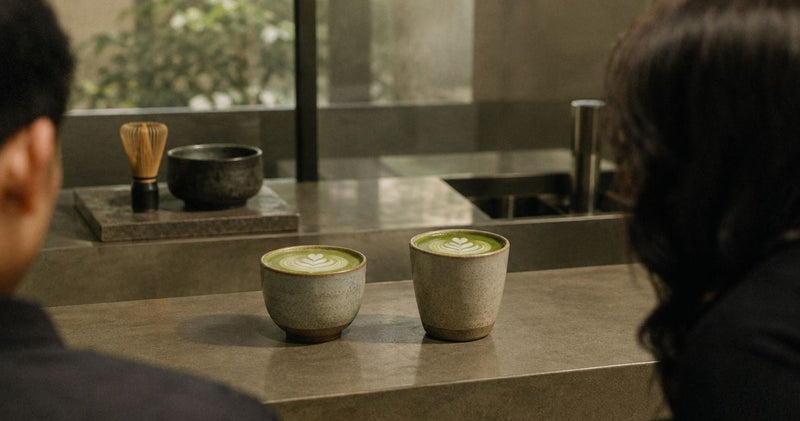
Prepare the drink with the water and other ingredients the hotel intends to serve. Taste it in its final form. A bowl prepared with water and a milk-based drink are different menu items, not interchangeable demonstrations of the same recipe.
Compare preparations under the same conditions. Change one variable at a time and record what changed. This separates a powder decision from a preparation problem and gives staff something more useful than an instruction to make the drink smoother.
Uchi's Kaze no Shiro is a first-flush blend composed by the house tea master at Horii Shichimeien. It draws first-harvest tencha from Kyoto, Nara and Shiga, weaving Okumidori, Yabukita and Sayamakaori. It is not single origin or single cultivar.
The matcha is shaded for 25 days before harvest and stone-milled at 40 grams an hour. These details describe production. They do not replace tasting the hotel's intended drink or establish a service guarantee.
- Taste with the hotel's service water.
- Compare drinks using the same recorded recipe.
- Evaluate milk-based preparations separately.
- Record aroma, texture and flavour without health claims.
- Keep only verified sourcing details on the menu.
5. Match the equipment to the service format
Lay out the existing equipment before ordering anything. Check whether the preparation vessel gives the whisk room to move, whether pouring is controlled and whether each tool has a dry place to return. A crowded counter creates handling problems that additional objects do not solve.
Home contains Base and Pod. It suits a small preparation point that already has appropriate tools, but does not include a whisk. Home + Whisk adds the Whisk; it does not add the Bowl, Spoon or Sieve.
Complete contains Base, Pod, Bowl, Spoon, Sieve and Whisk. It brings those components together, but the product contents alone do not establish suitability for commercial dishwashing, unattended guest use or a particular service volume. Confirm operational requirements separately.
The catalog also lists Wholesale Matcha 1KG for hospitality partners. Treat that as a separate procurement discussion, not evidence that home products and wholesale arrangements have identical terms.
- Inventory preparation vessels and measuring tools.
- Check room for the whisking motion.
- Allocate a clean, dry tool position.
- Separate home-format contents from hospitality requirements.
- Confirm care instructions before specifying equipment.
6. Train the handover as carefully as the preparation
Use a short demonstration followed by staff preparing the approved drink themselves. Ask the next person on shift to repeat the process from the written card. This exposes missing instructions without relying on the person who developed the recipe being present.
The handover should cover storage as well as preparation. Record when the working container is opened, who checks it and what happens to utensils after service. Avoid topping up powder indefinitely without a clear rotation procedure.
Matcha also needs a distinct place within tea service for hotels and B&Bs. Leaf tea is infused; matcha powder is dispersed and consumed with the drink. A teapot-and-strainer routine therefore cannot simply be transferred to matcha.
For a 2026 operating document, keep service instructions separate from supplier facts. Staff need a concise method at the counter. Purchasing records can hold the longer sourcing details and questions about hospitality supply.
- Demonstrate preparation and storage together.
- Have another staff member follow the written card.
- Assign the end-of-service storage check.
- Document cleaning, drying and rotation.
- Keep supplier questions outside guest-facing copy.
Compare service formats before choosing equipment
Choose the service format before choosing the collection of objects. Each option below has a different handling burden. None removes the need to protect powder or confirm equipment care.
This 2026 comparison concerns workflow rather than commercial terms. It does not assume any product has been tested for a particular hotel service volume.
| Option | Suited to | Key limitation |
|---|---|---|
| Staffed breakfast preparation | A controlled recipe and central storage | Adds preparation and cleaning tasks during service |
| Hosted tasting | Guided preparation with direct supervision | Requires an assigned host and tool reset |
| In-room preparation | Independent guest preparation | Guests must handle powder, measurement and tools |
| Wholesale procurement | A separate hospitality supply assessment | Storage, preparation equipment and terms still need confirmation |
For a small hotel introducing matcha, staffed preparation gives a clear place to test the workflow. In-room service deserves its own trial rather than an automatic extension of the breakfast menu.
A hosted tasting offers direct guidance, but it is not unattended breakfast service. Document the distinction before equipment moves between settings.
Common mistakes boutique hotels make
Treating the display counter as storage
A bright position beside hot breakfast equipment can conflict with powder care. Keep the presentation decision separate from the storage decision. An opaque container still needs a suitable location.
Buying a broad equipment collection before testing the workflow
Tools need space for preparation, collection and drying. Test the layout with existing suitable equipment first. Add specific objects only when their role is clear.
Assuming a home product establishes hospitality suitability
A stated capacity or product description does not confirm cleaning compatibility or operational throughput. Obtain the relevant care and hospitality information before making a hotel specification. Do not write those assumptions into a purchasing brief as facts.
Turning sourcing into an inaccurate story
Kaze no Shiro is a blend drawing from Kyoto, Nara and Shiga. Calling it single estate would change the sourcing claim. Keep menu language shorter rather than making it more picturesque.
Describing matcha through promised bodily effects
A hotel menu can explain flavour, preparation and verified origin. It does not need health or physiological promises. Audit the 2026 menu, room cards and staff talking points together so unsupported claims do not survive in another format.
FAQ
How should a boutique hotel start serving matcha?
Start with one staffed preparation point and a written recipe. Test storage, measurement, preparation and cleaning before extending the service to other settings.
Can boutique hotels put matcha in guest rooms?
In-room matcha needs a separate guest-preparation plan. Confirm the storage arrangement, instructions, equipment care and collection process rather than copying the breakfast setup.
How should a hotel store opened matcha?
Store opened matcha in an airtight, opaque container away from heat, steam and strong odours. Use dry utensils and close the container immediately after measuring.
Does matcha dissolve in hot water?
Matcha forms a suspension rather than dissolving completely. Sifting breaks up clumps, while whisking disperses the powder through the water.
What is included in Home and Complete?
Home contains Base and Pod. Complete contains Base, Pod, Bowl, Spoon, Sieve and Whisk; hospitality suitability and care requirements still need a separate assessment.
Does Uchi offer matcha for hospitality partners?
Uchi lists Wholesale Matcha 1KG for hospitality partners. Confirm the intended service format and commercial arrangements directly rather than inferring them from the home collection.
Is Kaze no Shiro single-origin matcha?
Kaze no Shiro is a first-flush blend, not single-origin matcha. The house tea master draws first-harvest tencha from Kyoto, Nara and Shiga, weaving Okumidori, Yabukita and Sayamakaori.
One last thing
Watch the lid during a service trial. Not the finished drink: the lid.
If it stays open while staff finish another order, the storage method and the workflow disagree. Move the measuring step or change the station layout. The useful improvement is often a shorter exposure, not another accessory.